
Explore Tarot Meanings With Me
The Devil Tarot Card: Why Do We Stay Trapped?
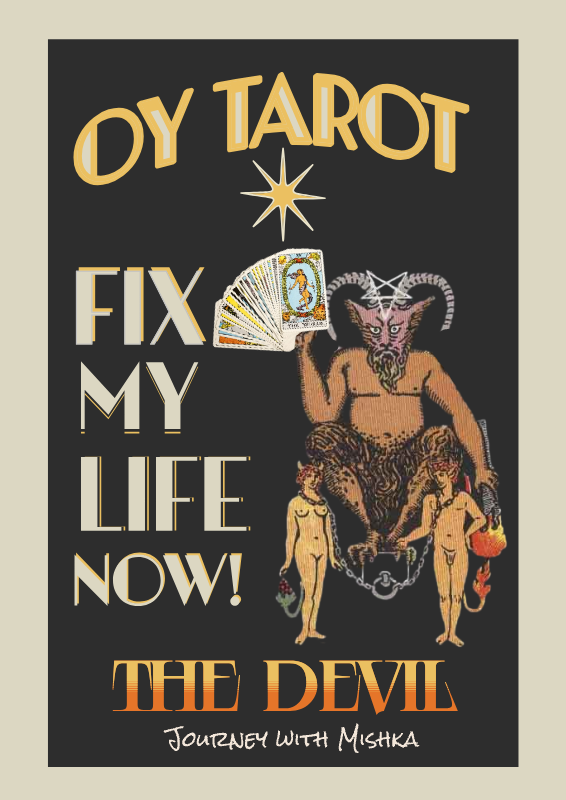
The Devil tarot card confronts us with an uncomfortable truth: sometimes the very things we desperately want to escape are the things we find hardest to let go of. Toxic relationships, emotional dependency, unhealthy habits and limiting beliefs can become invisible chains, keeping us attached to familiar patterns even when they no longer serve us.
From a psychological perspective, The Devil invites us to explore why we remain in situations that cause us distress. Fear of uncertainty, attachment patterns, self-sabotage and the need for reassurance can all influence our choices. We may recognise what is wrong, seek advice, consult tarot or turn to others for support, yet find ourselves repeating the same behaviours.
This is where tarot becomes a valuable tool for self-reflection. Rather than offering instant solutions or promising to fix our lives, The Devil encourages us to examine the unconscious patterns, fears and emotional attachments that may be preventing us from moving forward. Understanding these influences can help us recognise where change is possible and what it might require.
Ultimately, The Devil tarot card reminds us that awareness alone does not create transformation. Guidance can illuminate the path, but meaningful change requires our participation. Perhaps the real question is not "When will my life finally change?" but "What am I prepared to do differently?"
The Tower

What Falls Away Was Never Yours to Keep
The Tower represents a time when your very foundations are shaken to the core. The crown is blasted from the summit. The structure crumbles. And you, like the figure in the image, are left falling or clinging, crying out "My precious!!!" as everything you believed was solid gives way beneath you.
It sounds like disaster. And in many ways, it is.
But here is what we often miss when we first encounter this card. The Tower does not destroy for the sake of destruction.
It destroys because what stood before was not built to last. It destroys because the foundations were unsound. It destroys because the structure, however precious it felt to you, was ultimately a prison dressed up as a home.
Five of Swords
Knowing When to Walk Away

The Five of Swords often reminds us that not every conflict is worth fighting. Sometimes what appears to be victory carries a hidden cost, leaving tension, resentment, or isolation in its wake. The card invites us to pause and consider whether continuing the struggle truly serves us. In many situations, the wisest choice is not to win the argument, but to step away from it.
Walking away is not always a sign of defeat. At times, it reflects clarity and self-respect — the ability to recognise when engaging further would only deepen the conflict. The Five of Swords therefore encourages discernment: knowing when to stand your ground, and when it is wiser to simply walk away.
Choosing not to engage can be a quiet form of strength. Sometimes the greatest victory lies in preserving your peace rather than proving a point..