Do The Same Patterns Keep Repeating?
No Matter How…Much You Try To Change?
Relationship Patterns?
Maybe it’s the kind of relationships you fall into?
Do you chase love, even when it hurts?
Do you find yourself in relationships just to feel wanted?
Do you say yes when you mean no ?
Emotional Wobbles ?
The way you shut down or lash out without meaning to?
That feeling of emptiness and longing that never fully leaves?
Persistent low mood and anxiety — even when there’s no clear reason why?
You overthink everything — then shut down or hold on too tightly?
Low Self-Worth ?
You question your worth, your voice, your place in the world?
You feel that are too much or not enough?
Do you feel unlovable unless you’re useful?
You feel like an imposter and faking it ?
Poor Boundaries?
Is setting boundaries still laced with guilt or fear?
Do you feel unlovable unless you’re useful?
Do you put other people’s needs ahead of your own, even when it costs you?
Do you let people cross your lines, just to keep in your life?
Patterns That Hold You Back
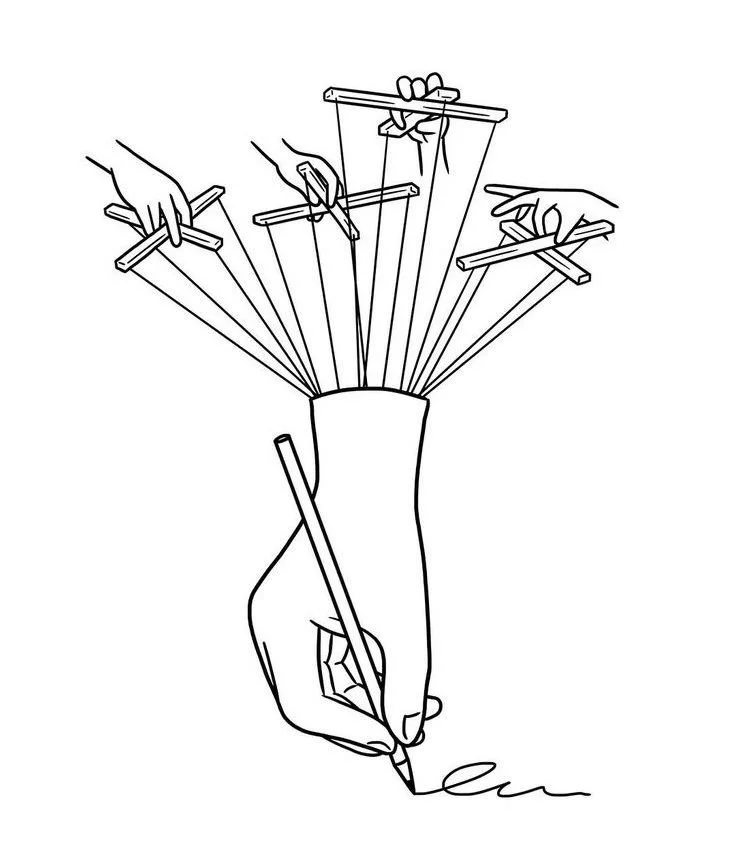
These patterns are unconsciously believes. Think of them as invisible rules quietly running in the background, shaping how you see yourself, others, and the world around you. Formed early in life, they become the lens through which you interpret everything. Let’s say that, as a child, you might have been were criticised, dismissed, given too little autonomy or perhaps too much.
Maybe you learned that attention depended on your performance. Or perhaps your environment felt unpredictable. Your nervous system adapted, not to help you thrive, but to help you survive. That is its main job: protection at all costs.
Those early experiences shaped the core beliefs held in your subconscious. Over time, as they were reinforced, they fused with your initial coping strategies. Together, they became your internal reference system. The lens your body uses to interpret the world around you. Also a story about who you are, what you deserve, who you can be, and what is possible.
When triggered by a person or situation, your body reacts automatically. It defaults to what it learned from past experience: fight, flight, freeze, or fawn. The beliefs and responses are so tightly linked, it feels like a single fused mechanism. Emotions surge, thoughts race, and before you know it, you're back in the same loop. It happens so quickly that if you're not aware of it, you might miss it entirely.
If left unexamined, that mechanism runs on autopilot. That iss exactly why the same patterns keep repeating, pulling you in. It’s also why you react, rather than respond.
Our Main Patterns
Abandonment - You find it hard to believe that people will be there for you.
Mistrust & Abuse - Relationships feel dangerous and unpredictable. You struggle to relax and be vulnerable, always on guard, finding it difficult to trust others.
Emotional Deprivation - You feel a deep sense of loneliness and emptiness, believing that your emotional needs will never be fulfilled or understood.
Social Exclusion - You often feel lonely and excluded, thinking you are either undesirable or different from others.
Dependence - Life feels overwhelming, and you believe you cannot cope on your own. You feel the need to rely on others for help.
Vulnerability - You experience anxiety, fearing that disaster is imminent and that you lack the resources to handle it. You both exaggerate dangers and underestimate your ability to cope.
Defectiveness - Shame is the primary emotion you feel when your perceived flaws are exposed. To avoid this shame, you go to great lengths to hide your imperfections.
Failure - You often feel like a failure compared to your peers.
Subjugation - You see the world through control issues, feeling dominated by those around you. At the core of this is a belief that you must please others, often neglecting your own needs.
Unrelenting Standards - You always feel pressured to excel, never allowing yourself to relax and enjoy life. You strive to be the best, feeling the need to be perfectly creative and organised.
Our Core Responses
Have you ever noticed that when life wobbles or gets tough, you catch yourself reacting in ways that do not feel like you, almost as if you cannot help it?
Those deeply ingrained ways we respond are often variations of our basic survival instincts, and they are rarely conscious choices. Think of them like this:
→ You disconnect or numb out to escape ↔ Flight
→ You to stay busy or try to be in control ↔ Fight
→ You people please to avoid conflict ↔ Fawn
→ You shut down when you feel shame or are scared ↔ Freeze
These are not flaws. They are your body and brain's automatic strategies to keep you safe. Understanding them is the first step to choosing a different way.
The good news? Because these unconscious beliefs tend to follow very clear patterns and cluster around recurring themes, they can be surprisingly easy to map.
Examples of Our Core Responses
Fight ↔ Overcompensation
Actively confronting perceived threats or negative beliefs. This can manifest as attitudes like, "I will prove you wrong," or "You cannot hurt me, I do not care."
Flight ↔ Avoidance
Steering clear of triggers to find temporary safety. This can show up as: "I need to stay busy" "If I am perfect, I will be safe" or "I must always be one step ahead."
Freeze/Fawn ↔ Surrender
Giving in to negative beliefs without trying to change them. It is feeling immobilised, or trying to placate or please others to avoid conflict. This can manifest as thoughts like, "It is hopeless to resist," "I am powerless," or "My voice does not matter." When moving specifically to Fawn: "I must keep everyone happy," "Saying 'no' is selfish," or "My worth depends on pleasing others."
Mapping Responses to Pattenrs
How does it work?
Let’s examine Abandonment:
Flight ↔ Avoidance. This involves distancing ourselves from others before they can leave. We avoid forming close relationships to prevent the pain of potential abandonment. For instance, we might shy away from dating or deeply committing to friendships, keeping others at an emotional distance.
Freeze/Fawn ↔ Surrender. This involves accepting the belief that people will leave anyway. We accept our core belief and engage in relationships that reinforce our fear of abandonment. We might stay in unhealthy relationships with partners who are emotionally unavailable or prone to leaving, thus perpetuating the cycle of abandonment.
Fight ↔ Overcompensation. This involves going to great lengths to prevent abandonment. We might become overly clingy or controlling in relationships. Constantly seeking reassurance. Trying to manage our partner's actions or whereabouts. Attempting to control the outcome so we won't be left alone. The message beneath it all? I am feeling anxious. I must be in control
Here is the thing about patterns. They are strategies we learned, back when we needed them. But what kept us safe then can hold us back now.
The dynamics of these coping styles? They tend to backfire. We develop them to protect ourselves. To avoid pain. And yet, somehow, they end up doing the opposite. They create the very pain we are trying to prevent.
This is the cruel irony of survival strategies: they outlive their purpose. The wall you built to keep others from hurting you? It also keeps them from reaching you. The people-pleasing that was meant to make you safe? It leaves you exhausted and unseen. The control that was supposed to prevent disaster? It creates the distance you feared most.
Recognising these patterns, seeing them clearly, understanding where they came from, noticing how they show up in your life. That is where the shift begins. Not by judging yourself for having them. But by finally understanding: "Oh. This is what I learned. This is how I coped. And this is how it is keeping me stuck."
That awareness is the doorway. Once you see the pattern, you can begin to choose differently.
It is a journey. Toward a life where you are no longer held hostage by old survival strategies that no longer serve.
That is what the Hero's Journey Method is for—helping people see these patterns and break free