
Beginning to Learn Tarot
Understanding the Foundations
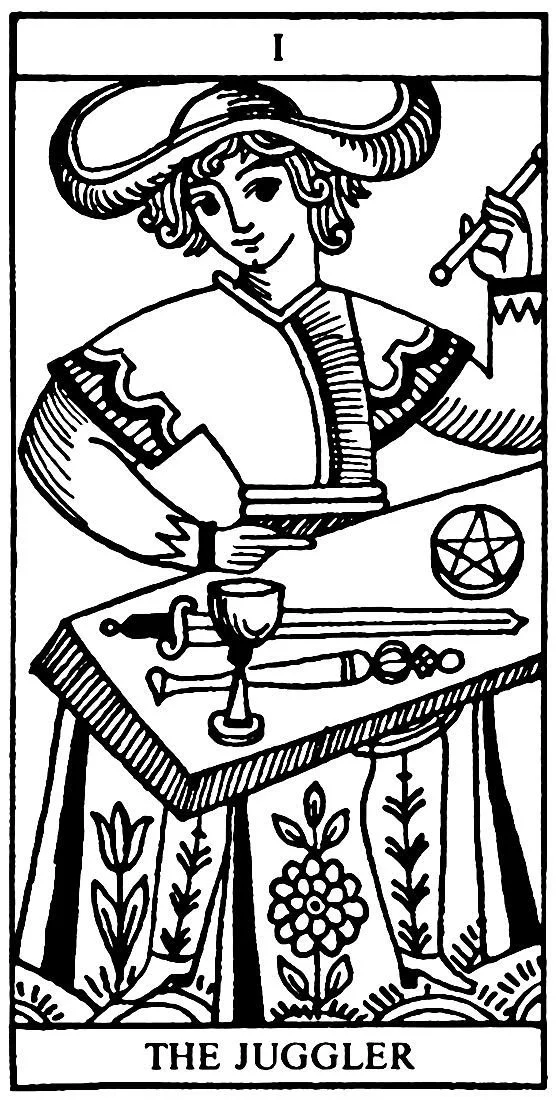
Many people approach tarot believing it was always created for fortune telling. In reality, tarot began as something quite different. The earliest tarot decks appeared in fifteenth century Italy as playing cards used for a game called tarocchi. They were not originally designed for divination. The use of tarot for spiritual insight and fortune telling developed much later, particularly in the eighteenth and nineteenth centuries.
The shift toward divination happened when tarot became connected with the practice of cartomancy, the reading of cards for symbolic or predictive insight. Cartomancy had already existed through the use of ordinary playing cards, and tarot gradually became absorbed into this tradition. From that point onward, tarot began to be interpreted as a symbolic system capable of revealing patterns, psychological states, and possible directions within life.
Understanding this history is important for beginners because it helps to place tarot in the right perspective. Tarot is not simply a tool for predicting the future. It is a symbolic system that reflects human experience, psychological states, and cycles of change.
The Engine Behind Modern Tarot
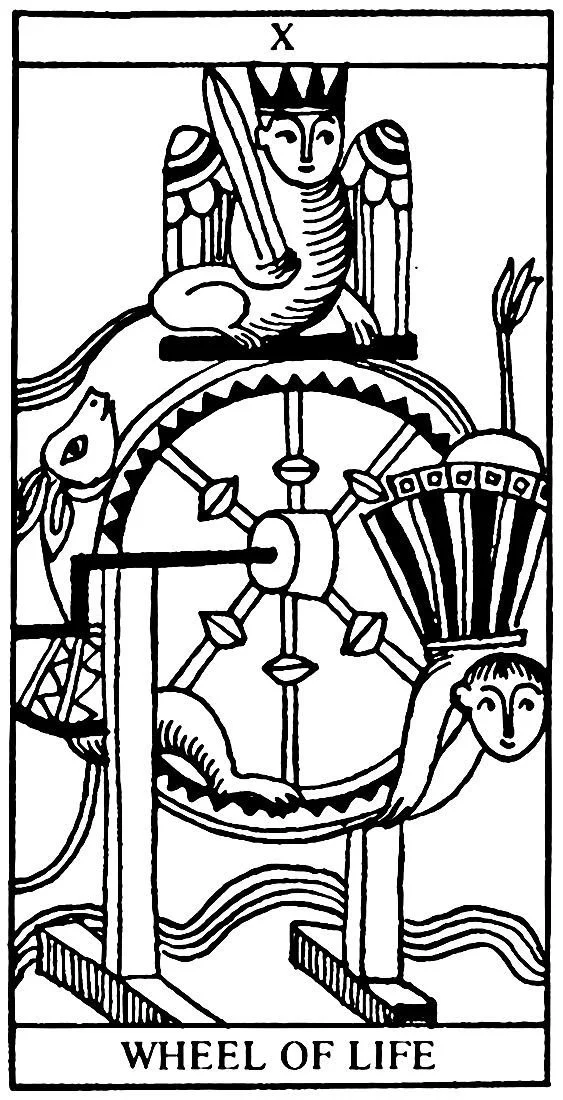
A major turning point occurred in France during the nineteenth century when occult scholars began linking tarot with older esoteric traditions. One of the most influential figures was Eliphas Levi, a French occultist who proposed that the tarot was connected to the Kabbalah, particularly to the Hebrew alphabet and the structure of the Tree of Life. Levi’s ideas were speculative, but they shaped how tarot was understood within Western esotericism.
Later, the Hermetic Order of the Golden Dawn, a British magical order founded in the late nineteenth century, developed these ideas further. Members of the Golden Dawn integrated tarot into a larger symbolic framework that combined Kabbalah, astrology, alchemy, and Hermetic philosophy. Within this system, each tarot card corresponded to specific astrological forces, Hebrew letters, and paths on the Tree of Life.
Two well known figures connected with this tradition were Arthur Edward Waite and Aleister Crowley. Waite collaborated with artist Pamela Colman Smith to produce the Rider–Waite–Smith tarot deck in 1909, which remains one of the most widely used decks today. Crowley later created the Thoth Tarot together with artist Frieda Harris. Both decks reflect the deeper symbolic system developed by the Golden Dawn, although each expresses it in a different way.
Behind the images of tarot there is therefore a complex symbolic structure. The cards are not random pictures. They draw upon several overlapping traditions, including Kabbalah, Hermetic philosophy, alchemy, astrology, numerology, and the system of Hebrew letter values known as gematria, particularly the traditional form called Mispar Hechrechi.
These systems form the symbolic engine behind the tarot. However, for a beginner it is not necessary to study all of them at once. It is much more useful to start by understanding the visual language of the cards themselves.
Why Learning Tarot Can Feel Confusing?
In the twentieth century tarot became strongly associated with the New Age movement. During this period the cards were often presented primarily as tools for personal insight, self discovery, and intuitive guidance. This broadened tarot’s appeal but also created many different approaches to reading the cards.
Today tarot can be taught in many ways. Some readers rely heavily on memorised meanings. Others focus on intuition and personal impressions. Some follow structured esoteric systems based on astrology, Kabbalah, or numerology.
For someone beginning to learn tarot, this variety can easily become confusing. There are countless books, courses, and interpretations, and they often contradict one another. A beginner may quickly feel overwhelmed by the amount of information and the number of possible methods.
Because of this, it is helpful to approach tarot with a clear and simple principle. Rather than trying to learn everything at once, focus first on understanding the structure of the deck and the symbolism within the cards.
Tarot consists of seventy eight cards divided into two main groups: the Major Arcana and the Minor Arcana. The Major Arcana represents larger archetypal themes and stages of development, while the Minor Arcana reflects everyday situations, emotions, thoughts, and actions. The Minor Arcana is further divided into four suits: Cups, Wands, Swords, and Pentacles, each representing a different aspect of experience.
Understanding this structure provides a stable foundation before moving into deeper symbolic systems.
A Practical Way to Begin Learning Tarot
Learning Through Symbols and Patterns
For beginners, the most effective way to learn tarot is through observation and regular practice rather than memorisation.
The first step is to choose one tarot deck and work consistently with it. The Rider–Waite–Smith deck is often recommended for beginners because its images contain clear symbolic scenes that make interpretation easier. Using one deck repeatedly allows you to become familiar with the imagery and patterns within the cards.
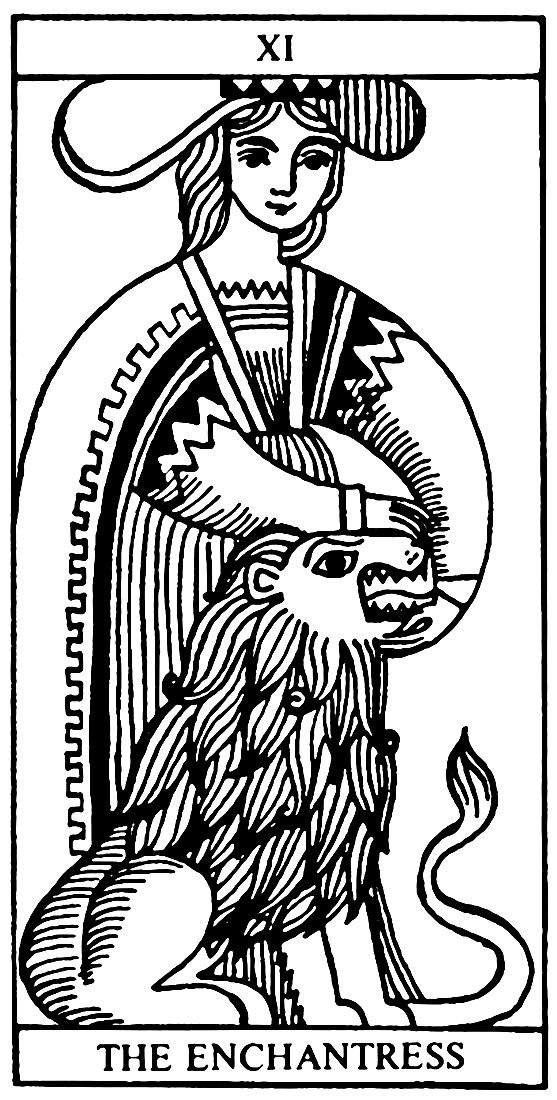
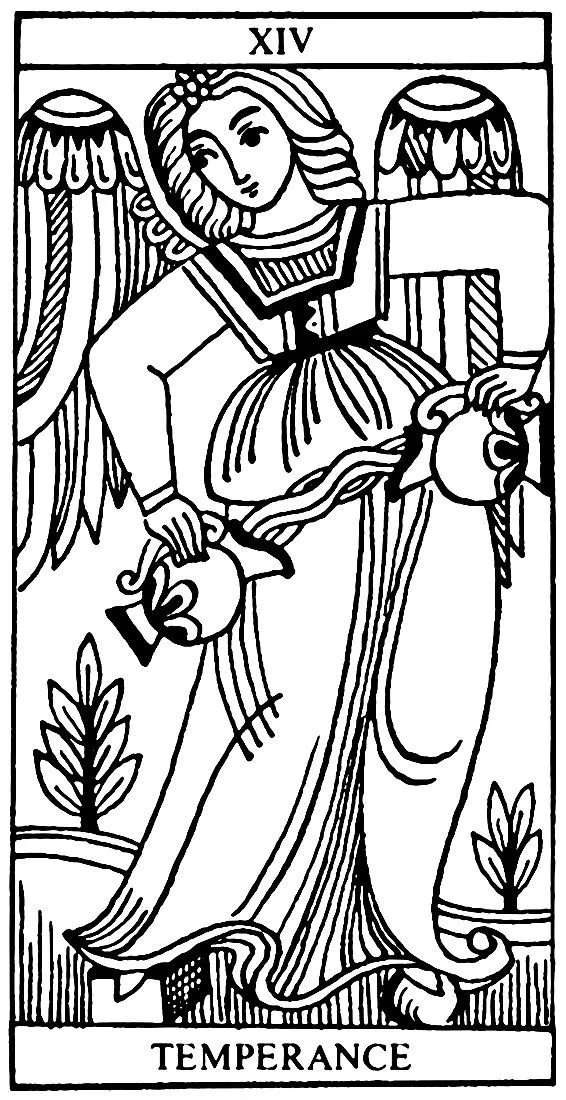
Spend time looking at each card individually. Notice the colours, the characters, the gestures, and the objects that appear in the image. Ask simple questions while observing the card. What is happening in the scene? What emotions or actions does the image suggest? What symbols stand out?
Tarot functions as a symbolic language. Learning to see the symbols is therefore more important than memorising fixed meanings from books.
At the beginning it is also useful not to read reversed cards. Many systems assign separate meanings when a card appears upside down, but this doubles the number of meanings a beginner feels they must remember. Ignoring reversals at first allows you to focus on understanding the core symbolism and the relationships between cards.
Building Familiarity with the Tarot Through Practice
Another helpful practice is to draw a single card each day. Look at the card in the morning and reflect on its symbolism. During the day, notice if any situations or emotions resemble the themes shown in the card. This simple exercise gradually builds familiarity with the deck.
Keeping a tarot journal can also support the learning process. Write down the card you draw, your first impressions, and what you notice in the imagery. Over time you will begin to see patterns and develop your own understanding of how the cards communicate meaning.
It is also useful to practise with small spreads rather than complex layouts. A three card spread is often enough for beginners. For example, you might look at a situation by asking what influences the past, what is present now, and what direction things may move towards. This helps you learn how cards interact with one another rather than reading them in isolation.
Another important skill is noticing recurring symbols across the deck. Mountains, water, crowns, animals, and colours appear repeatedly in different cards. These recurring motifs create connections between cards and reveal how the deck functions as a coherent symbolic system.
As your familiarity grows, you may gradually explore deeper layers of tarot such as astrology, numerology, or the Tree of Life. However, these systems should support your understanding rather than replace direct observation of the cards.
Learning tarot is therefore less about memorising meanings and more about developing the ability to see patterns, symbols, and relationships. With patience and regular practice, the symbolic language of the tarot becomes clearer and more natural to read.
Key Principles for Learning Tarot
When beginning to learn tarot, it is helpful to focus on a few simple principles rather than trying to memorise large amounts of information.
First, work with one deck and become familiar with it. Using the same deck regularly helps you recognise the imagery and symbols that appear throughout the cards.
Second, observe the images carefully. Tarot is a symbolic language, so pay attention to colours, objects, gestures, and the atmosphere of the scene. Often the image itself suggests the core meaning.
Third, avoid relying too heavily on memorised meanings at the beginning. Books and keywords can be helpful, but they should support your observation rather than replace it.
Fourth, practise regularly. Drawing a single card each day and reflecting on its symbolism is a simple way to build familiarity with the deck.
Finally, begin with simple spreads and avoid reading reversed cards until you feel comfortable with the basic meanings. This keeps the learning process clear and manageable. With patience and regular practice, the symbolic language of tarot gradually becomes easier to recognise and understand.