
Choosing Your Tarot Cards Deck
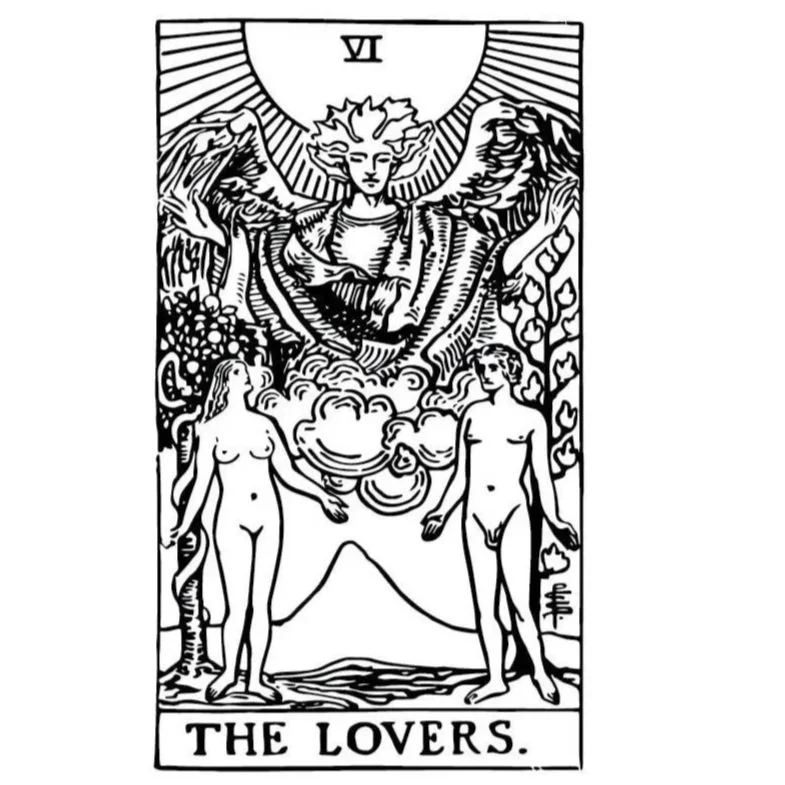
Why Choosing the Right Deck Matters?
When beginning to learn tarot, choosing the right deck is important. The images on the cards are the language through which tarot communicates. As a beginner, it is helpful to work with a deck that presents clear symbolism and structured imagery. This makes it easier to recognise patterns and understand the meanings behind the cards.
There are hundreds of tarot decks available today. Many of them are beautifully designed and artistically interesting, but not all of them are suitable for learning. Some decks change the traditional symbolism or simplify the imagery so much that important visual cues disappear. This can make learning more difficult for beginners.
For this reason, most teachers recommend starting with a traditional structure before exploring more creative or modern interpretations.
The Rider-Waite–Smith Deck

Why This Deck Is Recommended ?
The Rider–Waite–Smith deck is widely considered the best starting point for learning tarot. It was created in 1909 by Arthur Edward Waite together with the artist Pamela Colman Smith. The deck was designed to present the symbolism of the tarot in a clear visual way.
One of the most important features of this deck is that all of the Minor Arcana cards are illustrated with full scenes. Earlier tarot decks often showed only suit symbols, such as cups or swords arranged in patterns. In the Rider–Waite–Smith deck, each card depicts a scene that expresses the meaning of the card through action and symbolism.
This makes the deck particularly helpful for beginners because the imagery provides immediate clues about interpretation. The scenes allow learners to understand the story and emotional tone of each card without relying only on memorised keywords.
Because of its clarity and structure, most tarot books, courses, and teaching materials also use this deck as their reference system.
Different Types of Tarot Decks
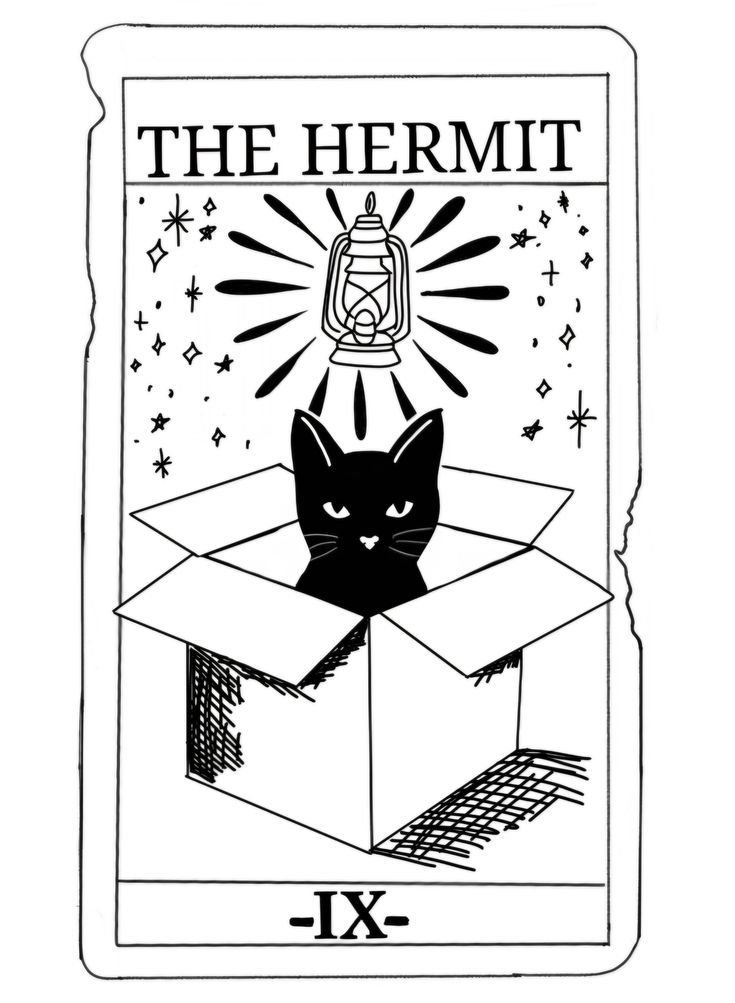
Although the Rider–Waite–Smith deck is the most common starting point, there are many different types of tarot decks available. These decks often follow the same basic structure but present the imagery in different styles.
Traditional decks remain close to the classical symbolism of the tarot. They usually follow the structure developed by the Rider–Waite–Smith or the Thoth Tarot and keep the symbolic elements largely intact.
Modern artistic decks reinterpret the cards through new visual styles, themes, or cultural influences. Some focus on fantasy imagery, nature, mythology, or contemporary illustrations.
Minimalist decks simplify the imagery and reduce the number of visual symbols. While these decks can be aesthetically appealing, they may remove important symbolic details that support interpretation.
Themed decks centre around specific subjects such as animals, folklore, astrology, or particular mythological systems. These can be enjoyable to work with, but they often assume some prior understanding of tarot symbolism.
For beginners, decks that maintain clear symbolic imagery tend to be the easiest to learn from..
Choosing a Deck
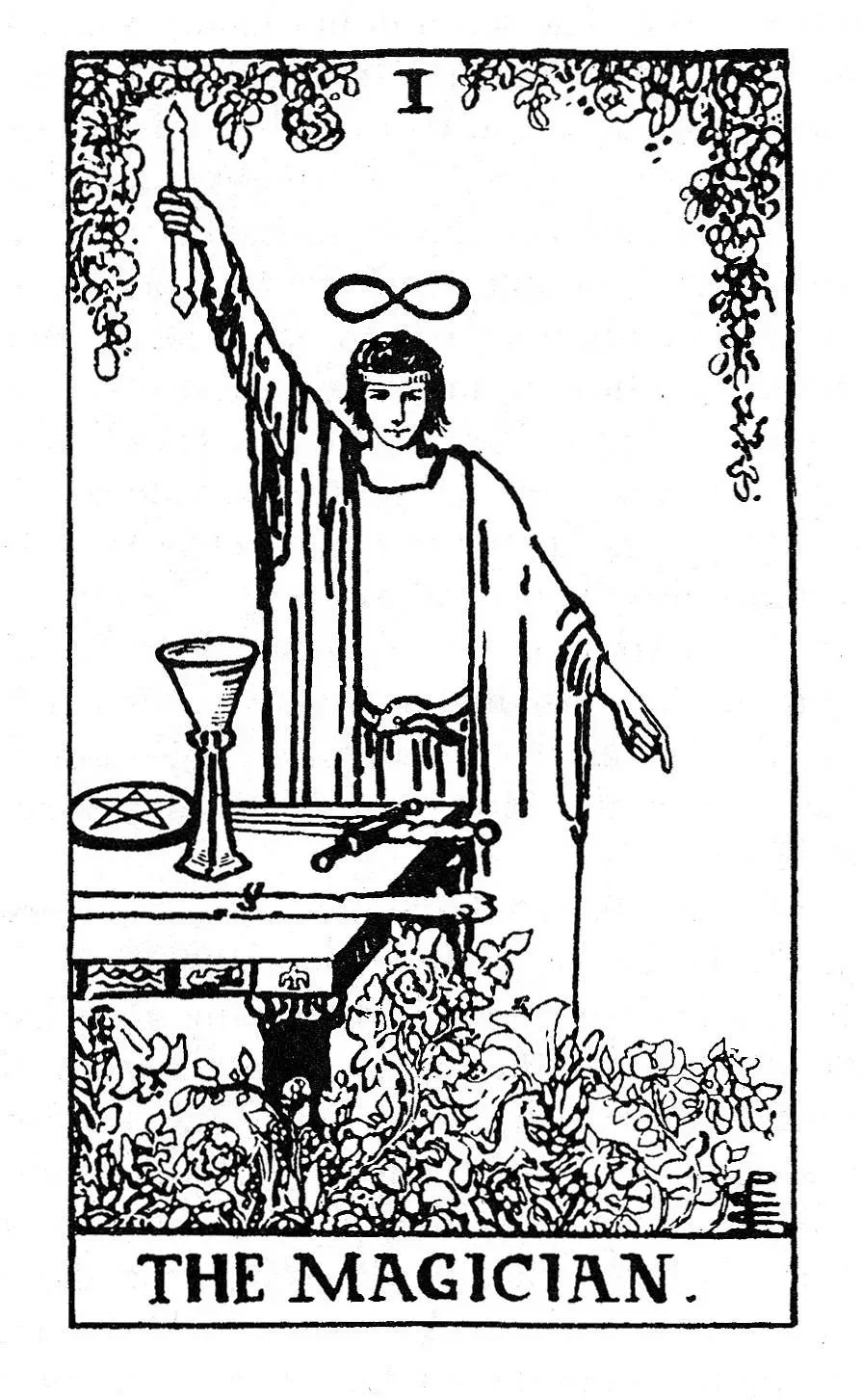
That Supports Learning
When selecting your first tarot deck, clarity is more important than artistic style. Look for a deck where the images clearly show actions, symbols, and relationships between figures in the card.
It is also helpful if the deck follows the traditional tarot structure and numbering. This allows you to use a wide range of books and learning resources without confusion.
Many experienced readers begin with the Rider–Waite–Smith deck to learn the system and later explore other decks once they understand the symbolic language of tarot.
Working with one deck consistently is also important. Familiarity with the imagery helps you recognise recurring patterns and develop confidence in reading the cards.
Once you have built a strong foundation, exploring different decks can deepen your understanding and expand the ways you interpret tarot.
Key Points Summary
• Choose a deck with clear and structured imagery.
• The Rider–Waite–Smith deck is widely recommended for beginners.
• It contains illustrated scenes for every card, making interpretation easier.
• Many tarot books and teaching materials use this deck as their reference.
• There are many artistic and themed decks, but some may remove important symbolism.
• Work with one deck consistently while learning the foundations.
• Once you understand the system, you can explore other tarot decks more easily.