
How to Interpret Kings in Tarot
Symbolism, Psychological Meaning, and Different Interpretive Approaches
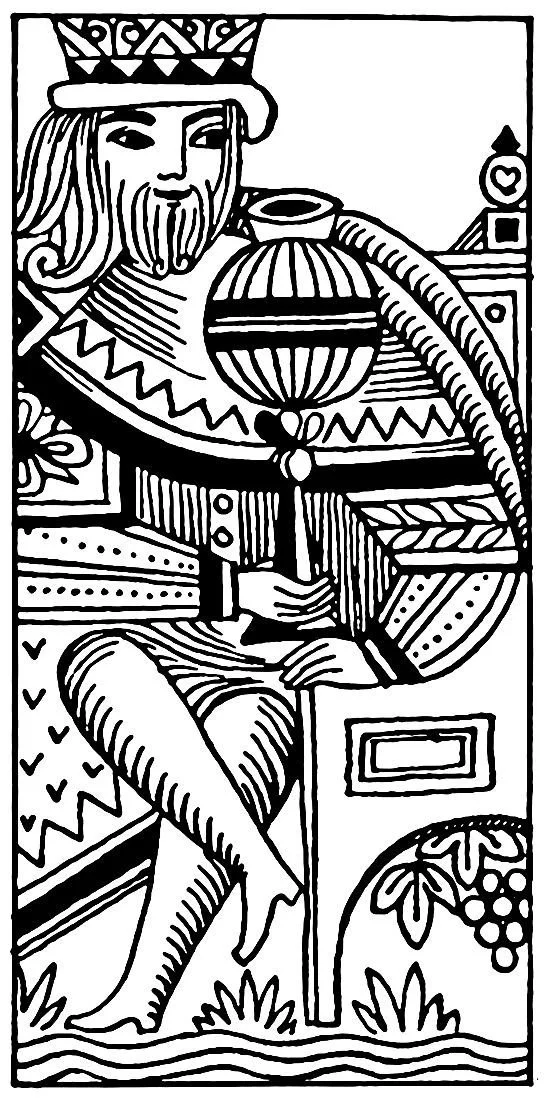
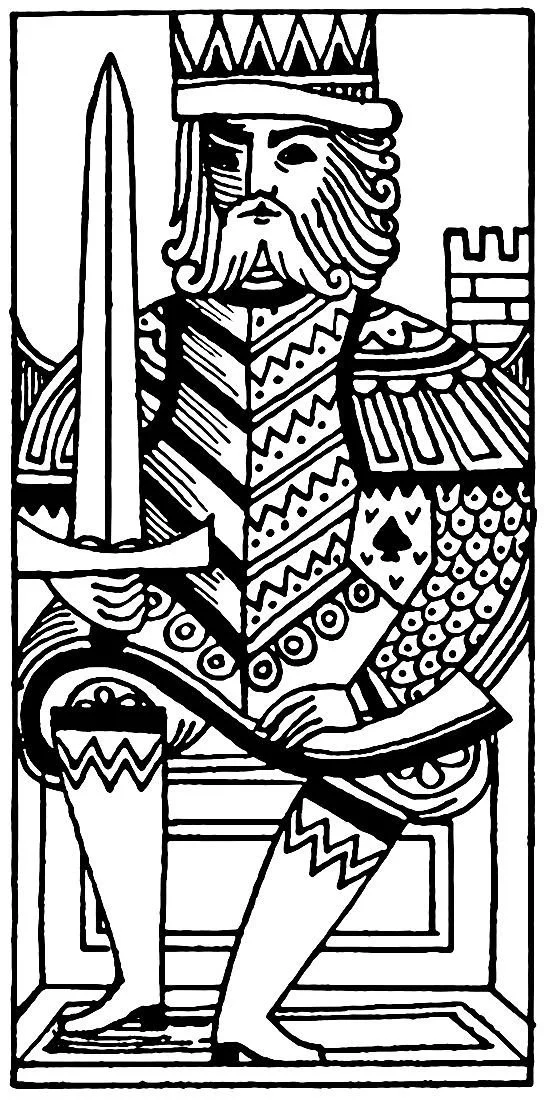
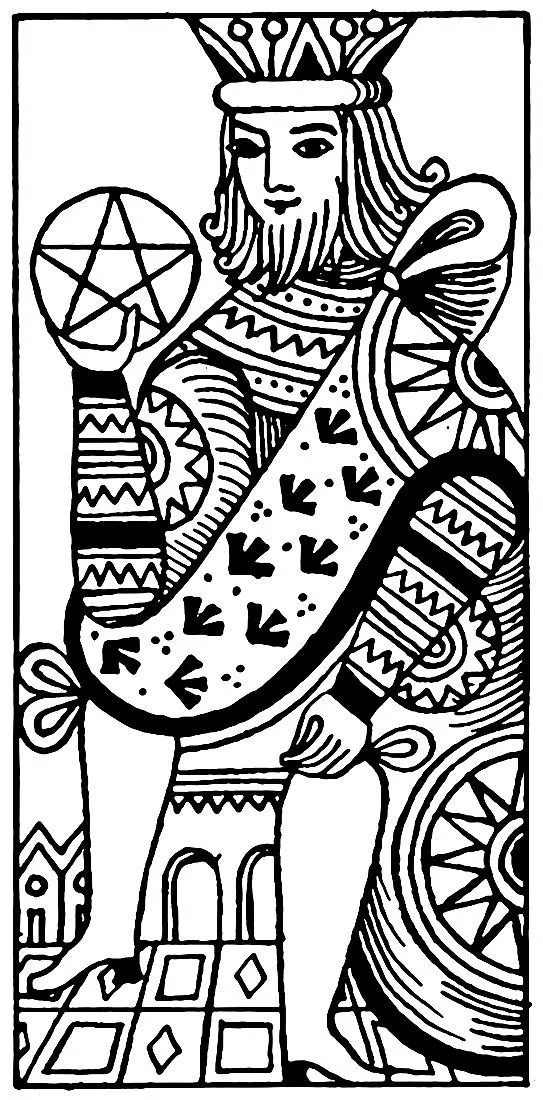
In Tarot, the Kings are part of the court cards, which traditionally represent human qualities, psychological patterns, or ways of expressing authority and leadership. Each suit contains a King: King of Wands, King of Cups, King of Swords, and King of Pentacles.
Across many Tarot traditions, Kings represent the mature and outward expression of the qualities of their suit. If Pages symbolise beginnings, Knights represent action, and Queens represent inner mastery, Kings represent authority, responsibility, and the ability to direct energy in the world.
Kings are often associated with leadership, decision-making, and the capacity to organise and guide others. However, they are not simply symbols of power; they also represent the responsibility that comes with mastery.
Different traditions interpret Kings in slightly different ways. Some see them as actual authority figures, others as archetypal rulers, and others as psychological capacities related to control, structure, and direction.
Because Tarot evolved through multiple traditions, Kings can be understood through several complementary perspectives.
The Core Symbolism of Kings
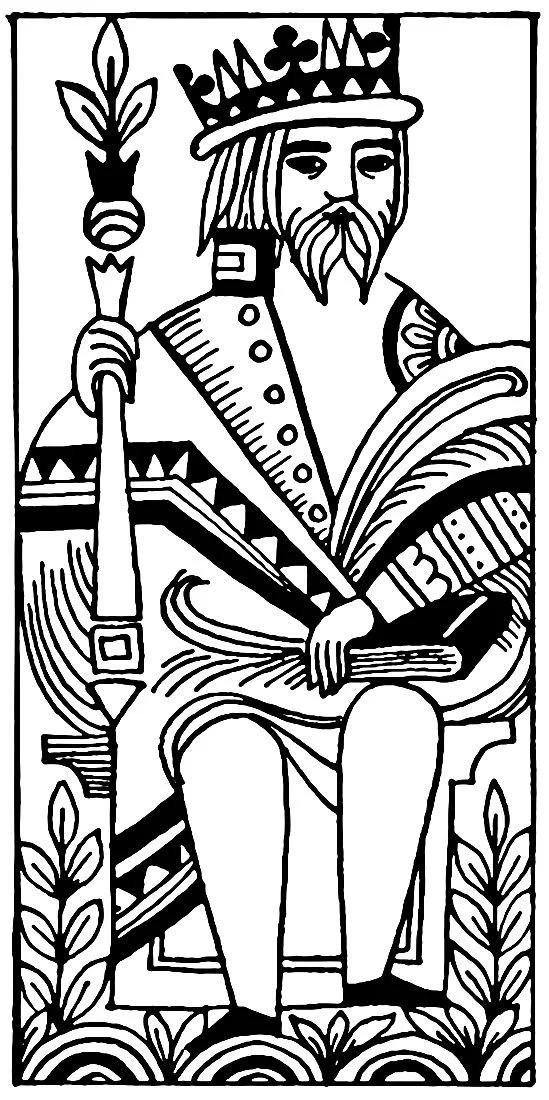
At the most basic level, Kings represent:
leadership and authority
responsibility and structure
strategic decision-making
mastery of a domain
the ability to guide or influence others
If the court cards are understood as a developmental sequence, Kings represent the stage where energy has become fully integrated and expressed through leadership and direction.
Compared to the other court cards:
Pages – curiosity and learning
Knights – action and pursuit
Queens – internal mastery and awareness
Kings – external authority and leadership
Kings therefore describe the ability to organise, direct, and stabilise the energy of a suit in the world.
The Golden Dawn Perspective
In the Golden Dawn framework, Kings represent the fire aspect of each element.
Fire symbolises initiative, authority, and the power to direct energy.
This structure suggests that Kings represent the commanding expression of an element.
Examples include:
King of Wands – fire of fire - King of Wands represents visionary leadership and bold initiative.
King of Cups – fire of water - King of Cups represents emotional authority and the ability to guide others with empathy.
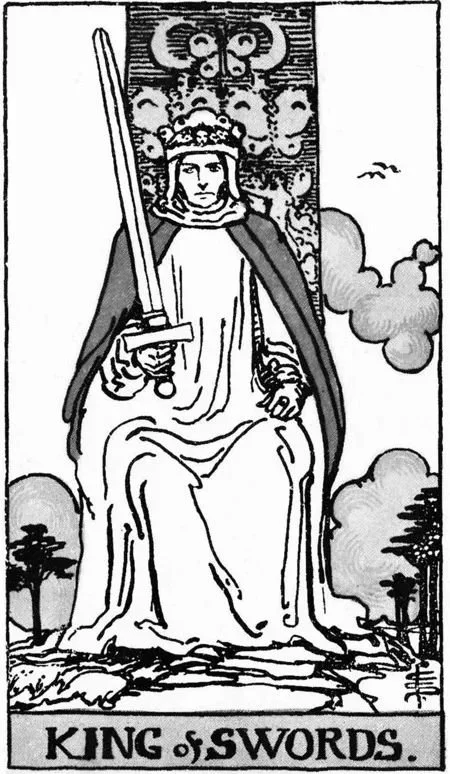
King of Swords – fire of air - King of Swords represents intellectual authority, logic, and clear judgement.
King of Pentacles – fire of earth - King of Pentacles represents practical leadership and the ability to build lasting stability.
From this perspective, Kings symbolise the directing force that organises and leads the energy of an element.
Aleister Crowley and the Thoth Tarot
In the Thoth Tarot, Aleister Crowley restructured the court cards slightly. What many Tarot decks call Kings are referred to as Knights in the Thoth system.
However, the symbolic role remains similar: the figure represents the most active and authoritative expression of an element. Crowley described these figures as dynamic rulers of elemental energy.
They symbolise:
mastery and command
initiative and power
the ability to direct forces effectively
leadership in action
For example:
Knight (King) of Wands represents explosive creative leadership.
Knight (King) of Cups represents emotional passion and artistic inspiration.
Knight (King) of Swords represents intellectual power and decisive action.
Knight (King) of Disks (Pentacles) represents material mastery and enduring productivity.
In Crowley’s system, these figures represent the driving force that shapes and directs energy in the world.
A Jungian Perspective
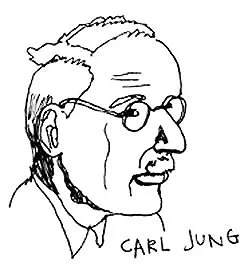
From a Jungian perspective, Tarot figures can be interpreted as archetypal patterns within the psyche.
In this framework, Kings often represent the archetype of the ruler or authority figure. Psychologically, this archetype symbolises the capacity to:
take responsibility
establish structure and order
make decisions with confidence
guide or organise others
Each King reflects a different psychological style of leadership.
Examples include:
King of Wands – visionary leadership and creative direction.
King of Cups – emotional maturity and compassionate guidance.
King of Swords – intellectual authority and clear judgement.
King of Pentacles – practical leadership and material stability.
From a Jungian perspective, Kings may represent the fully developed expression of a psychological function, where insight and experience combine with the ability to act decisively.
Kings as People
In Cartomancy and Tarot de Marseilles
In traditional Tarot reading, court cards sometimes represent actual individuals.
When interpreted this way, Kings often describe people who are:
experienced and influential
confident decision-makers
responsible for managing resources or people
authoritative in their field
However, modern Tarot practice often interprets Kings more symbolically.
Instead of representing a specific person, the card may describe a role someone is taking on, such as leadership, mentorship, or responsibility.
For example:
King of Swords may describe someone acting as a strategist, judge, or advisor.
King of Pentacles may describe someone managing resources or building stability.
Kings as Leadership Energy
Another useful approach is to interpret Kings as forms of leadership or authority present in a situation.
They often appear when someone must:
King of Wands - make a decision
King of Cups - guide others
Knight of Swords - make a decision
Knight of Pentacles - organise or stabilise a situation
In this sense, the King symbolises the ability to bring order and direction to complexity
Kings as Stages of Development
Page – learning and curiosity
Knight – action and experimentation
Queen – internal mastery and awareness
King – external leadership and responsibility
Kings therefore represent the stage where experience and understanding have matured into the capacity to lead and organise effectively.They symbolise the integration of knowledge, action, and wisdom into responsible authority..
A Practical Way to Interpret Kings
A simple approach when interpreting Kings is to ask:
What needs to be directed or organised here?
Where is leadership required?
Who is responsible for guiding this situation?
Kings often indicate that a situation requires structure, clear decisions, and responsible leadership.
In Simple Terms:
Kings represent the mature authority of a particular type of energy.
Each King expresses the qualities of his suit through leadership and direction:
King of Wands – visionary leadership and bold initiative
King of Cups – emotional balance and compassionate authority
King of Swords – intellectual clarity and strategic judgement
King of Pentacles – practical leadership and material stability
The Key Point
Across occult traditions, psychological interpretations, and modern Tarot practice, Kings consistently symbolise the capacity to take responsibility and direct energy toward meaningful outcomes.