
Know Thyself
“He Who Knows Himself Knows All Things.” — Corpus Hermeticum
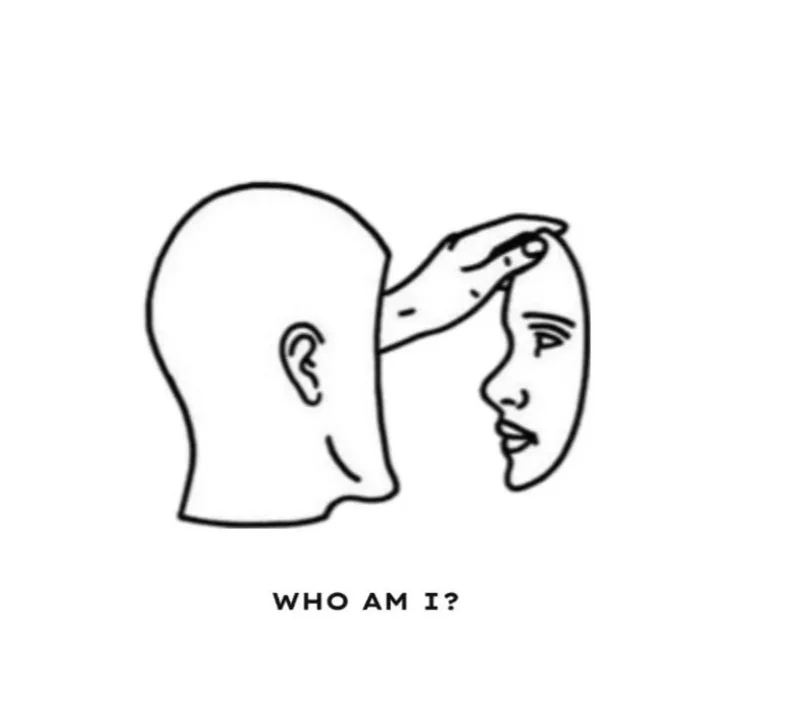
The maxim Know Thyself stands at the foundation of Western philosophy, psychology, and the esoteric traditions. Famously associated with the Temple of Apollo at Delphi, the phrase speaks of a call for to self-reflection as well as humility. It reminded those who approached the temple that before seeking knowledge of the world, the gods, or destiny, one must first confront the limits and structures of one’s own mind. The recognition that understanding the human nature is the beginning of understanding life itself.
In the philosophical tradition, self-knowledge was understood as the beginning of wisdom. Thinkers from Socrates onward recognised that human beings often live under the illusion that they understand themselves. Socrates' Allegory of the Cave, found in Plato's Republic, describes chained prisoners mistaking shadows on a wall for reality. It illustrates the journey from ignorance to enlightenment, where a freed prisoner experiences the painful, true world of light and knowledge. This metaphor contrasts the sensory, illusion-filled world with the intellectual realm of Forms
In reality, much of what drives thought, belief, and behaviour operates beneath conscious awareness. To know oneself is therefore the first philosophical task. Without it, knowledge of the world becomes distorted by unexamined assumptions.
We assume we understand our motivations, our beliefs, and our choices, yet much of what drives us remains unseen. To know oneself is therefore not simply an intellectual exercise. It is the process of recognising the forces within us that operate unconsciously.
From Fate to Awareness
The Unconscious and the Shadow
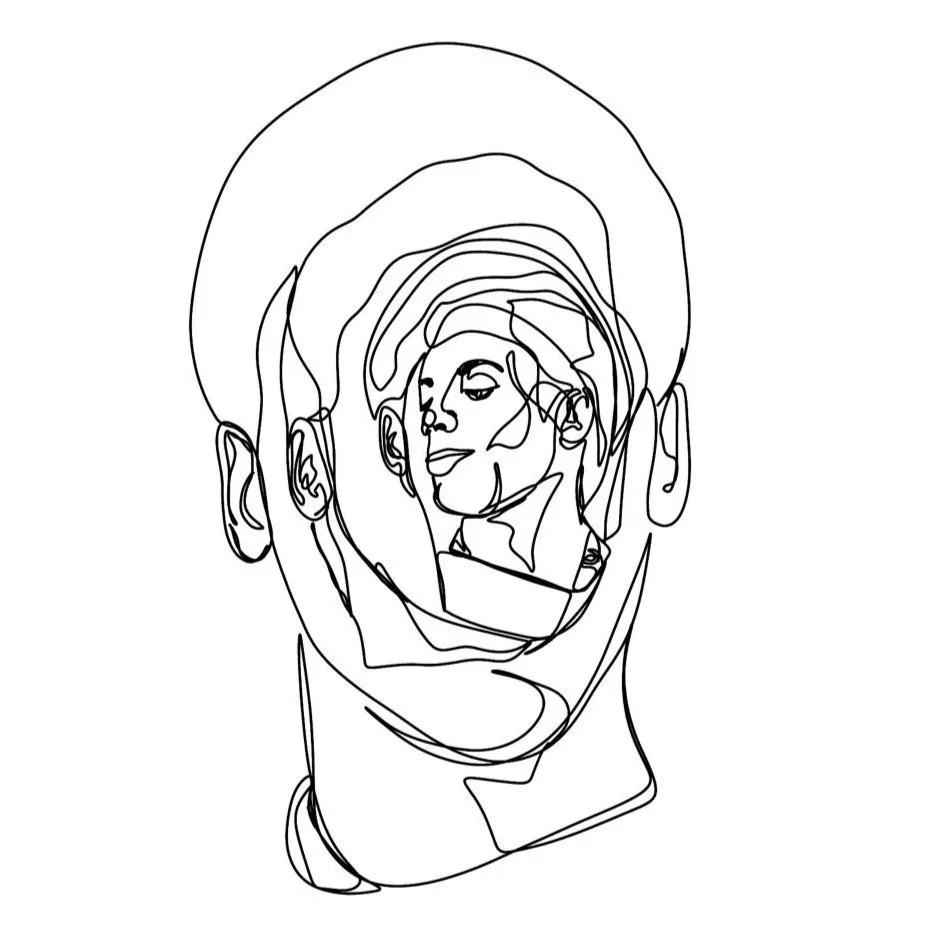
This insight sits at the centre of modern psychology as well. Carl Jung built much of his work around the recognition that the psyche contains vast regions outside conscious awareness. Beneath it lies the unconscious, a vast domain containing forgotten experiences, emotional patterns, and symbolic structures that continue to influence how we perceive and respond to life. What he called the shadow contains the rejected, denied, or unrecognised aspects of the self. These elements do not disappear simply because we ignore them. Instead, they continue to shape behaviour, perception, and relationships from beneath the surface.
Jung expressed this principle clearly: “Until you make the unconscious conscious, it will direct your life and you will call it fate.” What we often experience as fate is, in many cases, the repetition of unconscious patterns. We encounter the same conflicts, the same emotional reactions, and the same life situations because the underlying psychological structures remain unseen. Self-knowledge begins when these patterns become visible
Jung also introduced the idea that the human psyche is structured through archetypes: deep symbolic patterns that organise our experience of the world. These archetypes appear in dreams, myths, religion, and symbolic systems such as Tarot. They shape how we experience identity, authority, love, conflict, and transformation. In this sense, self-knowledge involves learning to recognise the archetypal patterns through which we live our lives.
Jung also recognised that the psyche is organised through archetypes — universal patterns that shape how human beings experience identity, authority, love, struggle, and transformation. These patterns appear across myths, religions, dreams, and cultural narratives. They are part of the deep architecture of the human psyche.
Know Thyself at the Centre of All Serious Inner Work
Philosophy, Psychology and The Occult Traditions
The Western esoteric and occult traditions approached this same principle from another direction. In Hermetic philosophy, the human being is understood as a microcosm, a reflection of the greater cosmos. The patterns that govern the universe are mirrored within the structure of the human psyche. Because of this, the path of knowledge in these traditions always begins with the study of the self.
Across philosophy, psychology, and the occult traditions, the message remains consistent: without self-knowledge, a person lives largely unconsciously, shaped by forces they do not recognise.
To know oneself is therefore not a purely intellectual exercise. It requires observation, honesty, and the willingness to see one’s patterns clearly. It involves recognising the beliefs we inherited, the emotional reactions we repeat, and the archetypal roles we unconsciously inhabit.
At its deepest level, this process leads to freedom. When the hidden structures of the psyche become visible, they lose their automatic power over us. What once appeared as fate becomes something we can understand, question, and transform.
This is why the principle Know Thyself sits at the centre of all serious inner work. It is not simply a philosophical idea. It is the foundation for psychological clarity, spiritual development, and personal freedom. Once you begin to understand the mechanics of your own inner world, you move from being directed by unconscious forces to participating consciously in the shaping of your life.
It Leads To Psychological Sovereignty
How Freedom Merges?
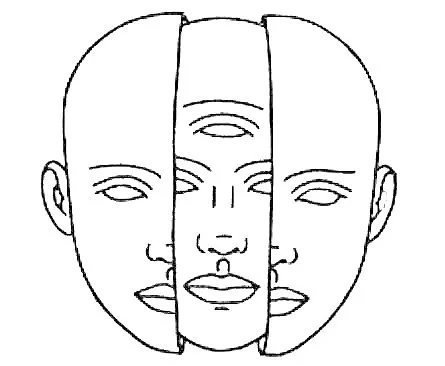
When a person does not understand their own inner patterns, they are easily influenced by them. Emotional reactions take control, inherited beliefs dictate choices, and external pressures can easily manipulate perception. Without awareness, we react automatically to circumstances rather than responding consciously.
Self-knowledge interrupts this mechanism. By observing the movements of the mind, the impulses, fears, desires, and projections that arise within us — we begin to recognise that they are patterns, not commands. Instead of reacting unconsciously, we develop the ability to pause, reflect, and choose our response.
In this sense, self-knowledge creates inner space. That space is where freedom emerges.
Psychological sovereignty does not mean controlling every thought or emotion. It means recognising them without being dominated by them. The individual learns to observe rather than immediately react, to question rather than automatically accept, and to respond deliberately rather than mechanically.
This form of awareness changes how a person moves through the world. External circumstances still arise, but they no longer dictate one’s internal state in the same way. The individual becomes less vulnerable to manipulation, less governed by unconscious patterns, and more capable of navigating life with clarity.
Symbols as Mirrors of the Psyche

Symbolic systems such as Tarot, alchemy, and symbolic meditation developed within the Western esoteric traditions as tools for self-observation. Their purpose was not simply prediction or intellectual analysis, but the exploration of the inner world.Symbols have a unique ability to reveal aspects of the psyche that normally remain outside conscious awareness. By engaging imagination and intuition alongside reason, they create a bridge between the conscious mind and the unconscious.
Through images and archetypal patterns, unconscious material begins to surface. Emotional reactions, recurring life themes, and hidden beliefs become visible in symbolic form. What once felt vague or difficult to grasp can now be observed and reflected upon.In this way, symbols provide a language through which the unconscious can communicate with the conscious mind.
This process supports growth on several levels. Psychologically, it helps reveal patterns of behaviour, emotional responses, and internal conflicts that shape our choices. It also allows us to encounter the shadow, the rejected or unrecognised parts of the self that continue to influence our lives from beneath the surface.
As these elements become visible, they can be integrated rather than unconsciously acted out. Instead of reacting automatically, we learn to observe our thoughts and emotions with greater clarity. In that space, conscious choice becomes possible.
The value of symbolic systems lies not in belief, but in the insight they make possible. They help bring the hidden structures of the psyche into awareness, allowing a person to engage with life with greater understanding and freedom.