
The Left-Hand and Right-Hand
The Origin
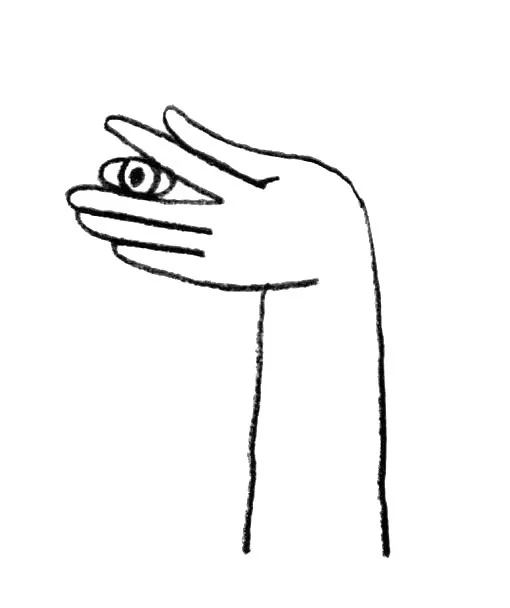
The terms have their roots in Indian Tantra, specifically the Sanskrit terms Vamachara (left-handed attainment) and Dakshinachara (right-handed attainment)
In Sanskrit they are:
Dakṣiṇācāra (Right-hand path)
Vāmācāra (Left-hand path)
Where the right-hand path emphasised ritual purity and alignment with social order, while the left-hand path involved confronting taboo and transcending conventional boundaries as part of spiritual transformation.
Vamachara involved practices that deliberately broke Hindu societal taboos, such as ritualized sex, consumption of alcohol and meat, and meditating in cremation grounds, as a path to spiritual liberation.
The terms were brought to the West in the late 19th century by Madame Helena Blavatsky, founder of Theosophy. Unfortunately, she associated the Left-Hand Path with black magic and malice. a bias that stuck, partly because the Latin word for "left" is sinister. As a result it created a fundamental dichotomy in Western esotericism and occultism, distinguishing between two radically different approaches to spiritual development and magic.
The Left-Hand and Right-Hand Paths
And Yet….
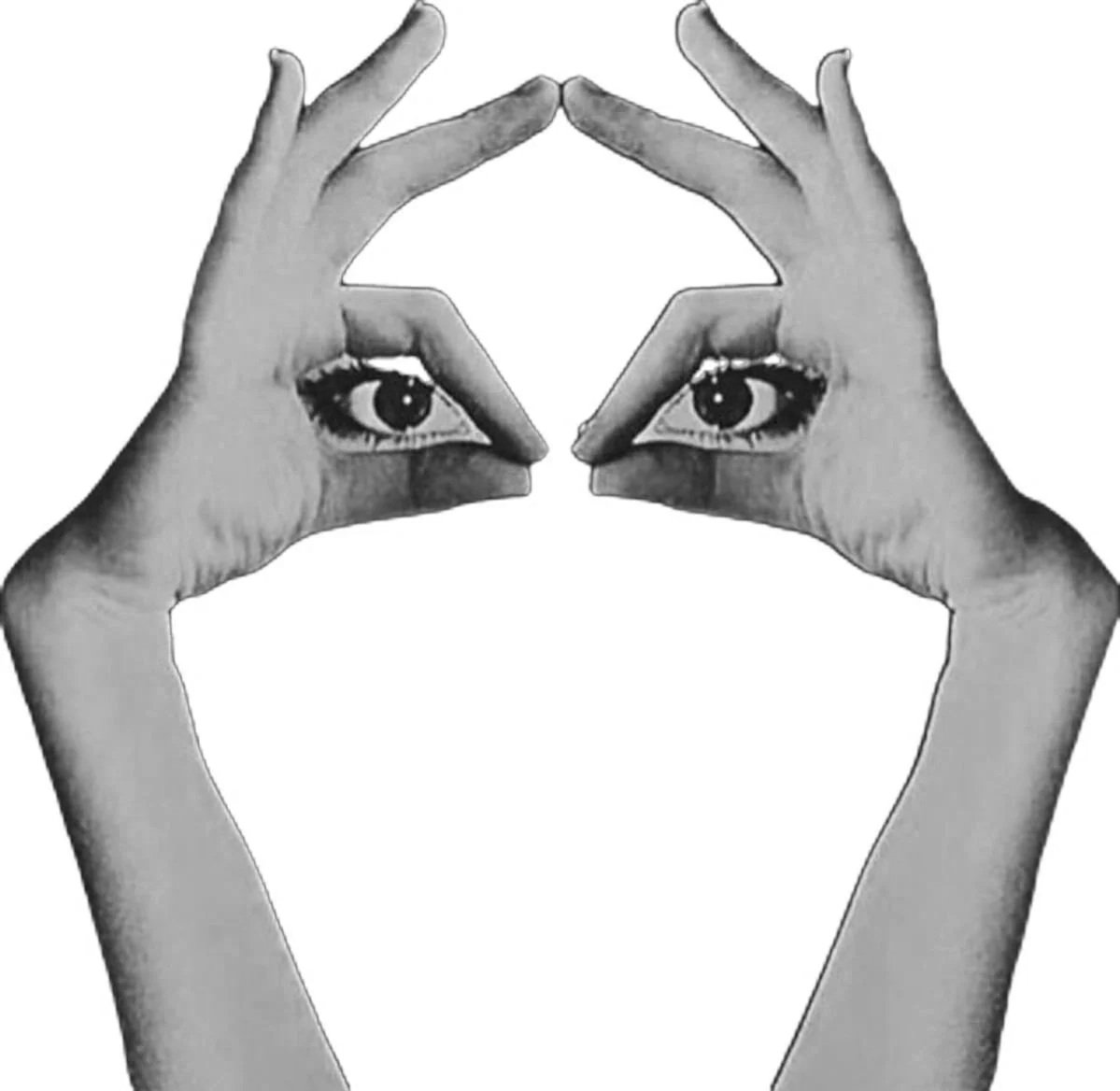
The ideas of the left-hand and right-hand paths appear both in psychological thinking and in older esoteric traditions. In psychological terms, the right-hand path can be understood as a movement towards integration within existing social and moral structures: development that aligns the individual with shared values, order, and collective meaning. The left-hand path, by contrast, points towards a more individualised process that involves confronting the shadow, questioning inherited structures, and developing psychological autonomy.
In many occult traditions, a similar distinction exists. The right-hand path is often associated with alignment with divine or cosmic order, discipline, and adherence to established spiritual frameworks. The left-hand path tends to emphasise personal transformation, inner descent, and the pursuit of individual spiritual knowledge, often through confronting taboo, paradox, or the unknown.
From a psychological perspective, both paths can be understood as different symbolic ways of describing the tension between collective belonging and individual individuation. A dynamic that sits at the centre of many models of human development.
Two Story Arcs. Two Hero Journeys
Hercules & Psyche Paths
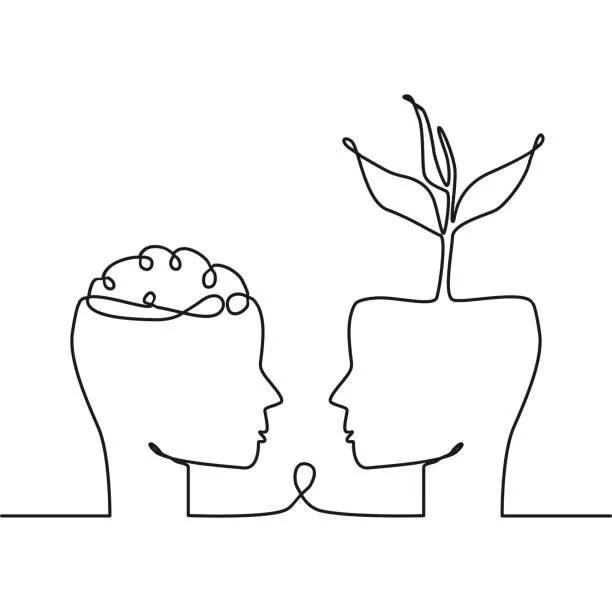
In mythological and psychological terms, the story of Hercules can be understood as representing the right-hand path. His journey is outward, task-oriented, and structured around proving strength, discipline, and obedience to a higher order. The twelve labours are externally imposed challenges that require endurance, courage, and mastery over chaos. In this sense, the path of Hercules reflects development through action, duty, and alignment with established structures and expectations.
The story of Psyche follows a different pattern and can be understood as closer to the left-hand path. Her journey is more inward and symbolic, involving descent, uncertainty, and encounters with the unknown. Rather than conquering external monsters, Psyche undergoes a series of psychological and spiritual trials that transform her through suffering, humility, and self-discovery. Her path unfolds through relationship, inner change, and the confrontation with hidden forces within herself and the world around her.
Seen this way, Hercules represents a model of development through external mastery and socially recognised achievement, while Psyche represents a model of transformation through inner descent and psychological integration. Together, they illustrate two different archetypal routes through which human growth and transformation can unfold.
Two Journeys
Two Different Orientations
First, it is important to clarify that the “left-hand path” and “right-hand path” are not objective realities or fixed spiritual systems. They are conceptual labels that come from certain occult and philosophical traditions. Over time, many groups and individuals have adopted these terms, reinterpreted them, and applied them in different ways.
Because of that, the terms often become ideological identities rather than accurate descriptions of how someone actually lives or practises. For example, many organisations that describe themselves as “left-hand path” still operate with hierarchies, doctrines, ranks, and structured belief systems. In practice, that structure resembles what these concepts traditionally describe as the right-hand approach.
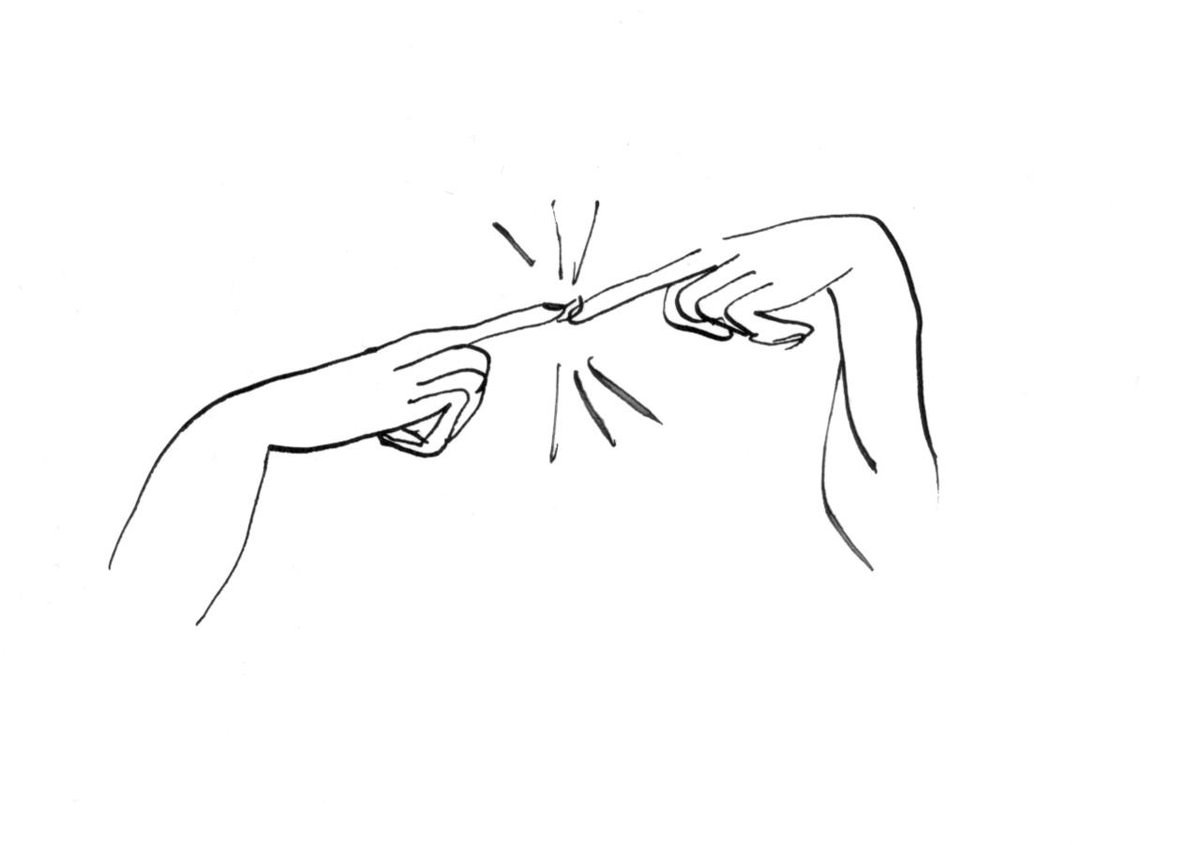
So the terms are best understood not as rigid categories, but as two different orientations toward the journey of development or self-understanding. They are maps, not territories. Using allegory often makes this clearer..
The Two Approaches To a Journey
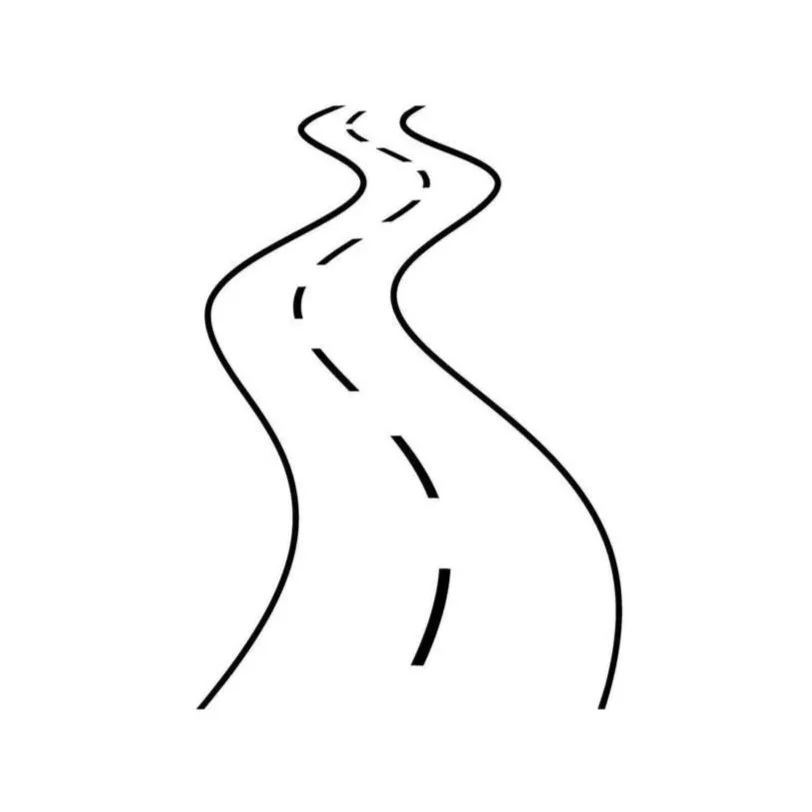
The Way of Order & The Way of The Individual
At its simplest, the distinction can be framed like this:
Right-hand path: (The Way of Order)
The journey through structure, order, tradition, and alignment with a larger system.
Key characteristics:
Adherence to moral codes and belief in divine judgement
Ritual purification and preparation for contacting the divine
Worship of or communion with a higher power
Structured hierarchies and passed-down traditions
Left-hand path: (The Way of the Individual)
The journey through individual confrontation with the unknown, self-authority, and inner transformation.
Key characteristics:
Rejection of conventional morality (called antinomianism)
Using taboo and forbidden things as tools for transformation (shadow work)
Confronting darkness, death, and desire rather than avoiding them
Elevating the individual will above all external rules
Both are ways of approaching growth or meaning. Neither is inherently superior. They simply emphasise different relationships to authority, structure, and the self..
The Left-Hand Path
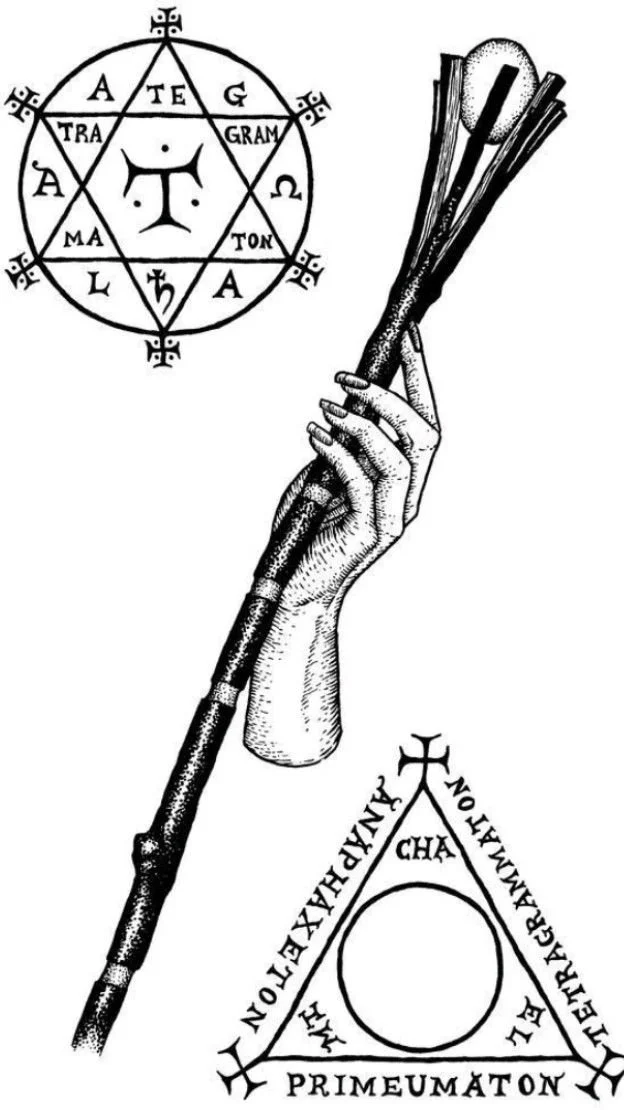
In Modern Occultism
The 20th century saw a significant reinterpretation of the Left-Hand Path by various occultists:
Aleister Crowley redefined the "Brother of the Left-Hand Path" or "Black Brother" as one who, in his system of ceremonial magic, fails to surrender the ego and "cross the Abyss," becoming trapped in a solidified sense of self. For Crowley, this was a failure of spiritual advancement, not a chosen path.
Kenneth Grant, a student of Crowley, revived the Tantric understanding of the LHP, presenting it as a path of challenging taboos that should be balanced with the RHP for true spiritual equilibrium.
Anton LaVey, founder of the Church of Satan, explicitly labeled his philosophy a form of the LHP. In The Satanic Bible, he wrote, "Satanism is not a white light religion; it is a religion of the flesh, the mundane, the carnal—all of which are ruled by Satan, the personification of the Left Hand Path"
Contemporary groups like the Swedish order Dragon Rouge continue this tradition, focusing on a "dark spirituality" and self-development through the exploration of transgressive practices.
Two Paths in Action
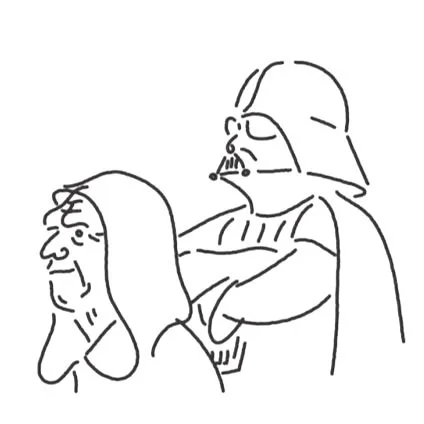
Star Wars Allegory
Star Wars is often used to explain these orientations, though the films frame them morally as good vs evil, which simplifies things.
The Jedi Order resembles the right-hand approach.The Jedi operate within a structured tradition. There is a council, a training system, rules, and a philosophy that places the individual within a larger cosmic order called the Force. A Jedi learns discipline, restraint, and service. The self is not the centre; it is part of a larger harmony.
The Sith, by contrast, emphasise personal power and self-direction. Their philosophy rejects submission to a larger order and instead centres the individual will. In theory, the Sith path is about self-mastery and sovereignty rather than obedience.
However, the irony is that even the Sith create their own structure. Master, apprentice, rules such as the “Rule of Two.” This illustrates the earlier point. Even movements that claim radical individualism often recreate hierarchy and structure in practice.
So the allegory shows something important. People often identify with the idea of radical independence while still organising themselves collectively.
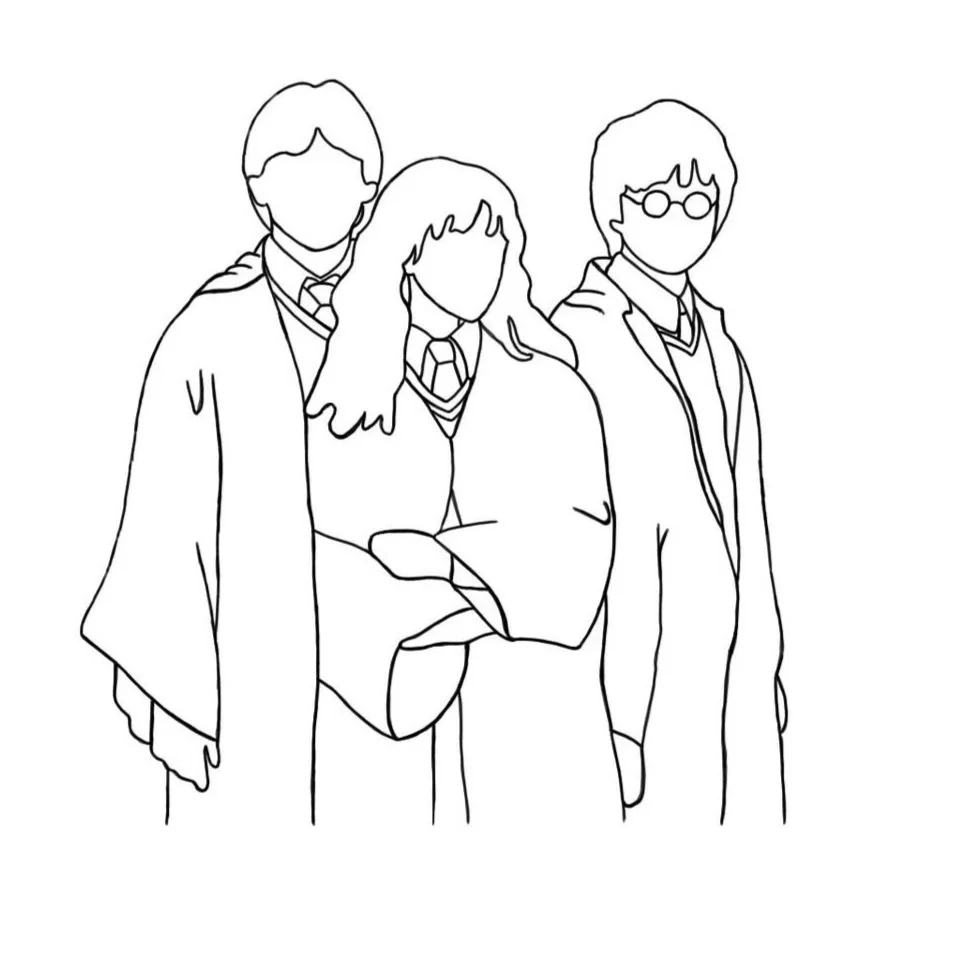
Harry Potter Allegory
It also offers another useful metaphor.
Hogwarts represents a right-hand style path. It is an institution with teachers, rules, traditions, and a shared moral framework. Students develop their abilities within a structured system.
By contrast, Voldemort’s trajectory represents the left-hand orientation taken to an extreme. Tom Riddle rejects institutions and seeks power through personal mastery of forbidden knowledge. His path is individualistic and transgressive, breaking rules to reshape himself.
But again, something interesting happens. Voldemort eventually creates his own hierarchy. The Death Eaters, ranks, loyalty structures.
Even someone who rejects institutions ends up building another one. That is an inherit nature as well as structure of power.
A Simpler Way to Understand It

Two Psychological Orientations
Rather than thinking of left-hand and right-hand paths as occult categories, it is often clearer to think of them as two psychological orientations.
Right-hand orientation
• Works through tradition or systems
• Values structure and guidance
• Sees the individual as part of a larger order
• Transformation occurs through discipline and alignment
Left-hand orientation
• Works through individual exploration
• Values autonomy and self-authority
• Challenges established systems
• Transformation occurs through confronting the unknown
Most people move between both approaches at different stages of life.Someone may follow structure and tradition in one phase, then later move into a more independent and self-directed exploration. The two orientations are not mutually exclusive; they are different ways of navigating growth.
The Key Point
The terms left-hand path and right-hand path are best treated as philosophical metaphors rather than literal categories.
They come from occult language, but today they are often used loosely and inconsistently. Many people adopt the labels without actually living the principles those labels originally implied.
So the most useful way to understand them is simply this:
They describe two archetypal ways of approaching transformation:
one through structure and tradition,
the other through individual confrontation with the unknown.
And in reality, most meaningful journeys involve some combination of both.