
The Hero’s Journey and the Psychological Magnum Opus
Jung’s Alchemical Transformation
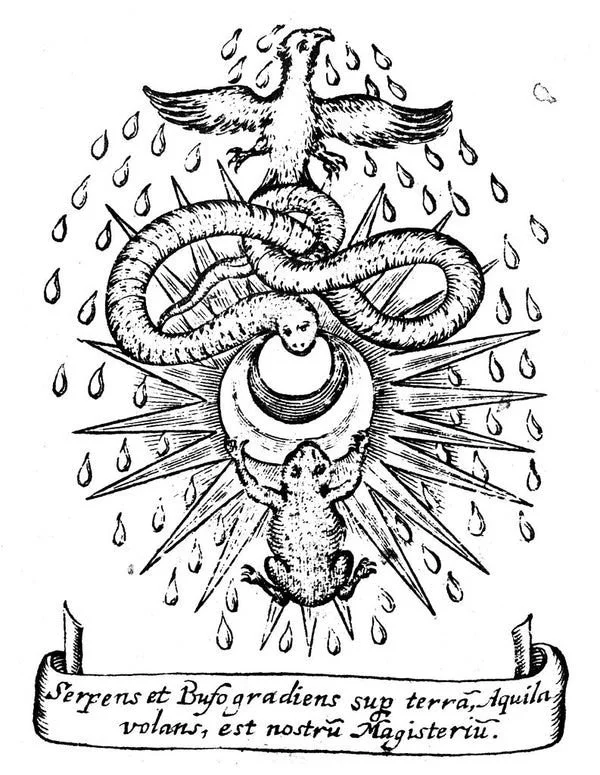
Carl Jung believed that the symbols of alchemy were not primarily about transforming metals, but about describing the psychological process through which a person becomes whole. He saw the alchemical Magnum Opus, the "Great Work," as a symbolic map of the individuation process — the journey of integrating the conscious and unconscious parts of the psyche.
As Jung wrote: "The alchemists projected the individuation process into the chemistry of their time."
This inner transformation closely mirrors the structure of the Hero's Journey. In both cases, the individual leaves the familiar world, faces trials and darkness, gains insight, and returns transformed. The stages of alchemical transformation can therefore be mapped onto the narrative stages of the hero's myth.
The process also reflects a solar cycle. Traditionally, this follows the familiar seasonal pattern: the birth of the sun in spring, the rising power of summer, the decline of autumn, and the death and rebirth of winter. Each phase reflects a stage in the movement of life, energy, and consciousness.
However, in the Jungian model of inner transformation, the process does not begin with spring or with light. It begins with winter. The real work starts when a person encounters darkness. The great work begins when we are willing to enter that darkness, confront the shadow, and allow the old self to dissolve so that something deeper can emerge.
Nigredo – The Descent into Darkness
Encountering the Shadow
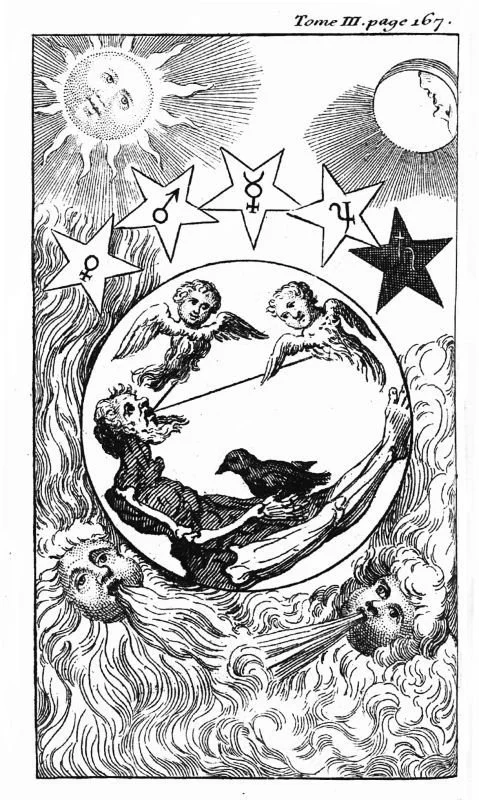
The first stage, nigredo, symbolises dissolution and the breakdown of the old identity. Psychologically, it represents confrontation with the shadow — the parts of the self the conscious ego has rejected or pushed out of awareness. The shadow contains impulses, emotions, vulnerabilities, and potentials that do not fit the identity we have built or the roles we have learned to perform.
The shadow is not simply “negative”. It includes anger, fear, and shame, but also vitality, creativity, and authenticity that have been suppressed for the sake of social acceptance or psychological control. On individual level it is everything pushed out of conscious awareness.
For this reason, the shadow functions as a gate. It is the threshold that must be crossed before deeper layers of the psyche can be encountered.
Carl Jung’s famous quote is: “One does not become enlightened by imagining figures of light, but by making the darkness conscious”
Only by facing the shadow can the individual engage with deeper archetypal forces such as the anima and animus — the inner feminine and masculine dimensions of the psyche that shape how we relate to the opposite sex, how we fall in love, and how we experience our emotional and intellectual lives.
The shadow acts as both teacher and guardian. It confronts us with lessons rarely chosen willingly. Most people do not consciously enter this stage. Life forces the descent. Crisis, loss, illness, or the collapse of familiar structures push a person into confrontation with what they had avoided. What begins as disruption becomes initiation.
Psychologically, this stage feels like confusion or what has traditionally been called the "dark night of the soul." The old ego structures weaken. The beliefs and certainties that once organised a life no longer hold. The familiar sense of self dissolves.
In the language of the Hero's Journey, this is the departure and descent into trials. The hero leaves the familiar world and enters uncertainty, encountering obstacles, loss, and forces that cannot be controlled. These trials ultimately lead to a confrontation with the shadow.
The shadow is not only internal. It can also appear externally as an adversary, force, or system. Myth and storytelling often portray this psychological struggle in symbolic form.
In the Star Wars saga, Luke Skywalker must face not only his own shadow but also Darth Vader, an external adversary he later discovers is his father. Beyond Vader lies the Empire and the weight of the Imperial system. The shadow, in this sense, operates on multiple levels.
Albedo – Illumination and Insight
Unbecoming and Process of Awaking
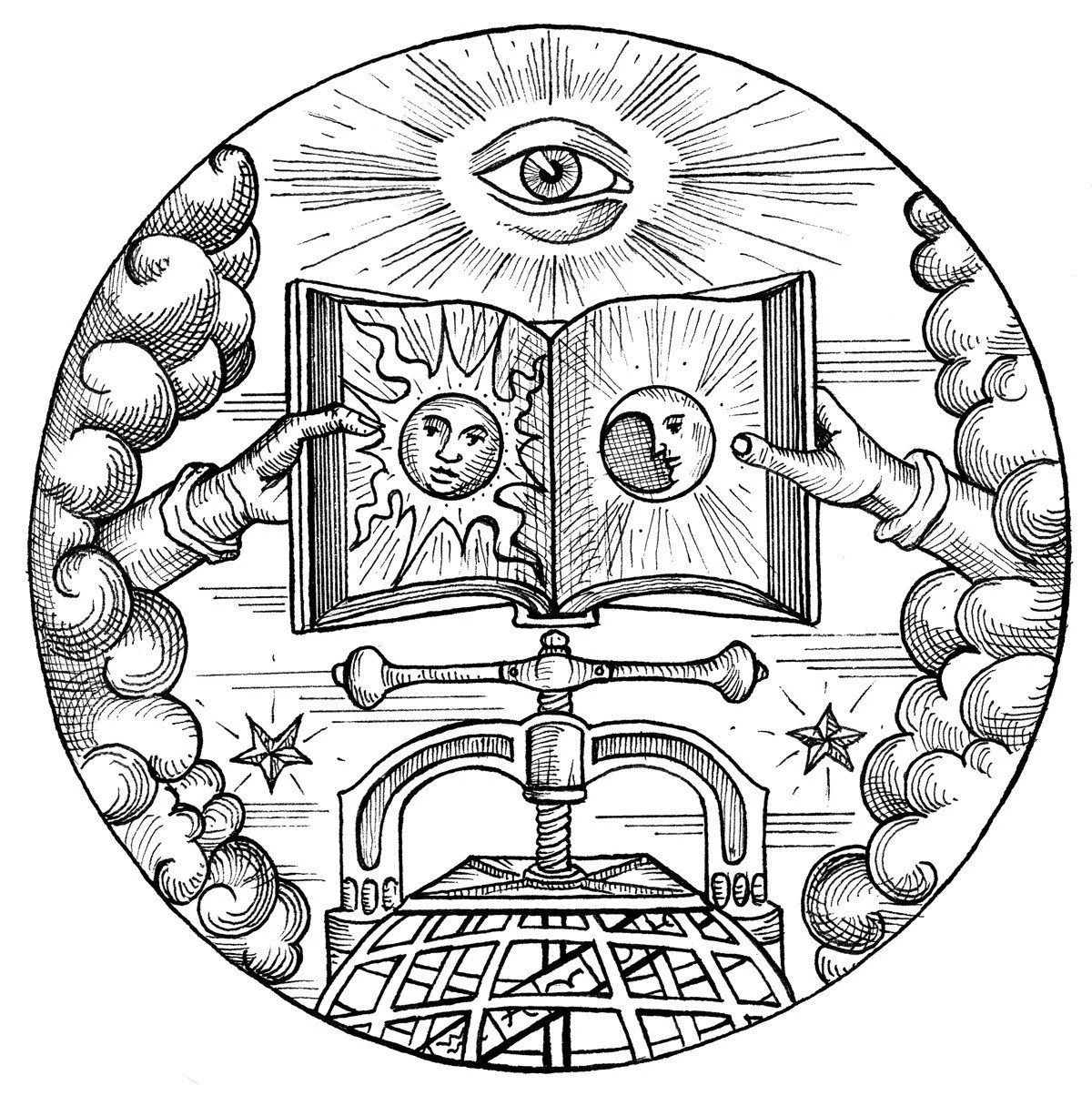
The stage can be illustrated through Luke Skywalker in A New Hope. Albedo begins when Luke receives guidance from Obi-Wan Kenobi, who introduces him to the Force. An unseen order that connects everything. For Luke, learning about the Force represents the beginning of inner awareness. He starts to realise the world is guided by invisible forces. In the training scene on the Millennium Falcon, Obi-Wan places a helmet over Luke's eyes and instructs him to rely on inner awareness. Luke initially fails because he tries to control consciously. Only when he relaxes and trusts something deeper does he succeed.
Jung described this awakening:
"Your vision will become clear only when you can look into your own heart. Who looks outside, dreams; who looks inside, awakes."
In Luke's story, the awakening is only beginning. He has not yet integrated his shadow or become whole. But the light has appeared. Guidance has entered the journey, and the hero has begun to see beyond the surface. The fog begins to lift.
The light that emerges is not external illumination, but the beginning of inner clarity, the capacity to see oneself truthfully. This prepares the ground for the next stages of transformation.
In psychological terms, albedo is a process of "unbecoming." The rigid structures of the old self loosen and dissolve. The identity that once organised a person's life no longer holds authority. It is not yet rebirth, but a period of cleansing and reorientation.
Roles, beliefs, and expectations fall away. As they loosen, space opens. The individual orients less around external validation and more toward inner truths. Psychologically, this stage involves the development of insight. The unconscious material that surfaced during confrontation with the shadow begins to be understood. Patterns once unconscious become visible. The individual recognises their projections and unconscious motivations. This process does not erase the shadow, but allows a different relationship to it. Instead of being controlled by unconscious forces, the individual begins to observe them. This is the beginning of true psychological self-reflection.
In the Hero's Journey, this corresponds to the period of learning and guidance. After descent into trials, the hero encounters mentors and wisdom. Knowledge emerges, and awareness of the path grows.
In Jungian terms, albedo marks the beginning of conscious dialogue with the psyche. The ego recognises it is not the centre of the whole personality, but only one part of a larger inner system.
Citrinitas – Inner Awakening
Dawning of New Self
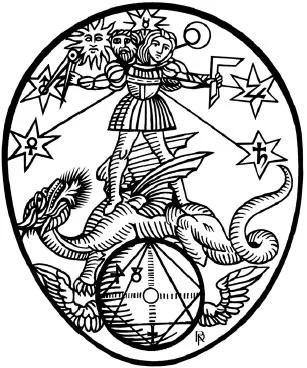
If nigredo is descent into darkness and albedo the first emergence of clarity, then citrinitas represents the dawn. Insight begins to transform into a new orientation of the self. The light that first appeared in albedo grows stronger and more stable. Consciousness expands.
In alchemical symbolism, citrinitas is associated with the rising sun. It marks the transition from reflection to awakening. The psyche is no longer only observing itself; it begins to reorganise around a deeper centre. What was fragmented starts to align.
Psychologically, this stage represents the awakening of a new level of consciousness. Insights gained during albedo are no longer only intellectual. They begin to reshape perception, behaviour, and identity. The individual experiences a different relationship with their inner world. Instead of reacting automatically, there is greater awareness of patterns as they arise.
This stage is closely linked to developing a deeper relationship with the anima or animus. After the shadow is encountered and unconscious material begins to be understood, the psyche opens to a more subtle layer. The anima and animus form the inner relational bridge between the conscious ego and the deeper unconscious. They influence imagination, attraction, creativity, intuition, and meaning.
Through this encounter, the individual accesses a more integrated awareness. The psyche is no longer organised around external roles or defensive structures, but around a deeper sense of inner orientation.Jung described this movement toward the deeper centre:
"The self is not only the centre but also the whole circumference which embraces both conscious and unconscious; it is the centre of this totality."
Citrinitas marks the early stages of this reorganisation. The ego begins to orient itself toward the Self, the deeper organising principle of the psyche. The centre of gravity has begun to shift.
In the Hero's Journey, this stage corresponds to a moment of deeper realisation. The hero understands not only the external quest, but the inner meaning of the journey. Knowledge becomes wisdom.
This can be illustrated through Luke Skywalker in The Empire Strikes Back. On Dagobah, Luke trains with Yoda. The training becomes less about external skills and more about inner mastery. The greatest obstacles are not external enemies but the fears and illusions within. The most symbolic moment occurs when Luke enters the cave. Inside, he encounters Darth Vader. When Luke strikes the figure down, the mask opens to reveal his own face. The shadow is not only an external enemy but a potential within the self. This moment reflects the deeper awakening of citrinitas. The battle between light and darkness is not only in the outer world but within the psyche itself.
Jung captured this shift:
"One does not become conscious by thinking about consciousness, but by recognising the darkness."
Through this recognition, the individual develops a new level of awareness. The psyche becomes more integrated, perception more reflective, identity less rigid.
Citrinitas represents the dawn of the new self. The light of awareness grows stronger, not as a denial of darkness, but as a capacity to hold both light and shadow within consciousness. The individual begins to live from a deeper centre rather than from unconscious patterns or inherited identities. This prepares the ground for the final stage, where the emerging self moves toward full integration and wholeness.
Rubedo – Integration and Wholeness
The Self Emerges
Jung described this movement:
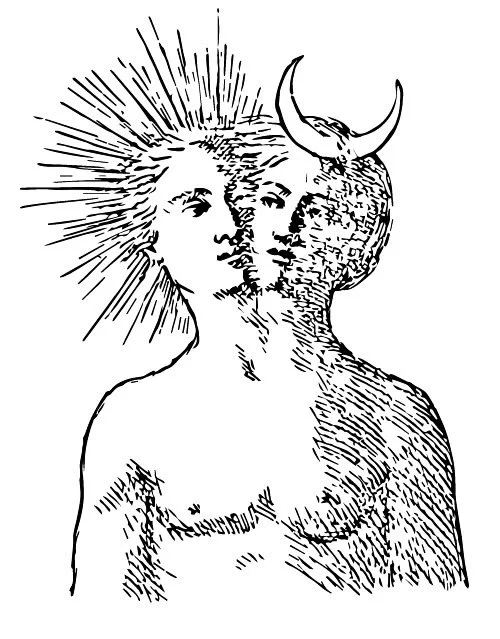
"The union of opposites on a higher level is the goal of the individuation process."
This union does not mean the disappearance of tension. It represents the capacity to hold opposites consciously without collapsing into one side. The psyche develops greater complexity and stability.
In the Hero's Journey, rubedo corresponds to the final return and transformation. The deeper victory lies in the transformation of the self. The hero returns carrying new wisdom, reshaped by the descent, trials, and awakening.
Luke Skywalker reaches this stage in Return of the Jedi. His final confrontation with Vader reveals the deeper meaning of the journey. The enemy he must face is not only external power, but the possibility that he himself could become what he fears. At the decisive moment, Luke refuses to follow the path of hatred offered by the Emperor. By refusing to repeat the cycle of violence, he demonstrates a new level of consciousness.
This act symbolises the integration of shadow rather than its destruction. Luke recognises the darkness within himself but does not allow it to define his actions. Through this recognition, the conflict between light and dark begins to transform. In this sense, rubedo represents the rebirth of the individual after the long inner winter. The sun has risen again, but it is not the same light that existed at the beginning. It is a mature light , one that has passed through darkness and gained depth.
The process of rubedo, symbolised by the philosopher’s stone, represents psychological integration. It describes a state in which the individual lives with greater awareness, authenticity, and alignment with the deeper structure of the psyche.
Rubedo marks not an end but a new beginning. The hero emerges no longer governed by fear or unconscious patterns, but grounded in a deeper centre capable of holding both light and shadow within the same consciousness.
If citrinitas represents the dawn of new consciousness, rubedo symbolises the full rising of the sun. It is the stage of completion. The moment when long inner work crystallises into a more integrated form of being.
In classical alchemy, rubedo is associated with redness, the colour of life and vitality. It symbolises the culmination of the Great Work and the creation of the philosopher's stone. Psychologically, this stage represents the integration of previously divided parts of the psyche into a coherent whole. Throughout earlier stages, the individual encountered fragmentation and inner conflict. The shadow was confronted in nigredo. Insight emerged in albedo. Awakening began in citrinitas. In rubedo, these processes stabilise and integrate.
In Jungian psychology, this corresponds to the culmination of individuation. The ego begins to relate to the Self as the deeper organising centre of the personality. Opposites that once seemed irreconcilable enter a new relationship. Conscious and unconscious, light and shadow, masculine and feminine. These polarities become complementary forces within a larger psychological whole.