
The Suit of Swords in Tarot
Meaning, Symbolism & Psychological Interpretation
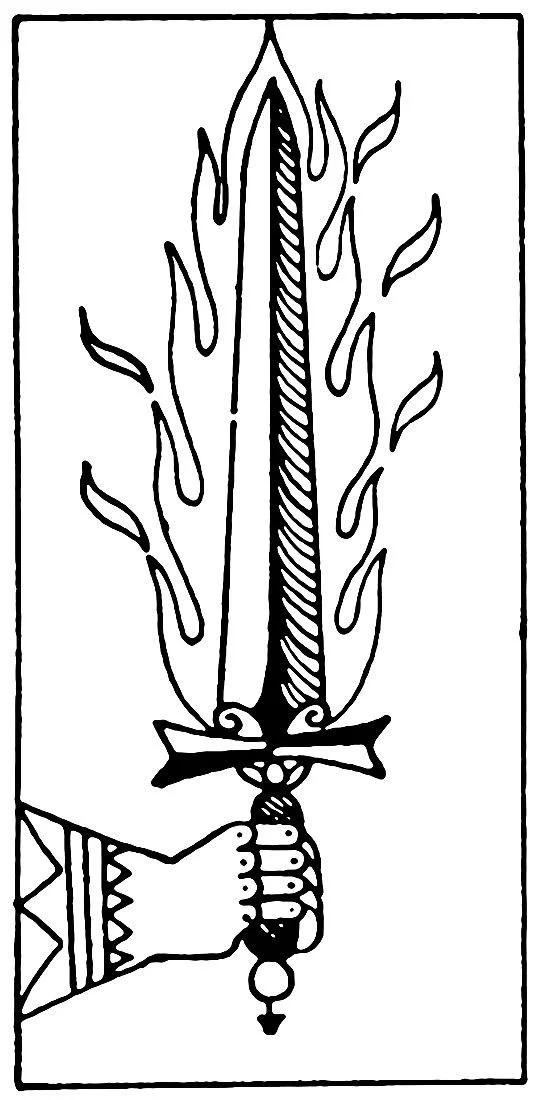
The Suit of Swords is traditionally associated with air, the element connected to intellect, communication, reasoning, and conflict. In most Tarot systems, Swords represent the realm of thought, perception, language, and the ways the mind interprets reality.
Because Tarot evolved across multiple traditions, the suit of Swords is best understood as a symbolic language describing the power and consequences of thought. Across most Tarot traditions, the suit of Swords symbolises:
Thought and intellectual clarity
Communication and language
Conflict and tension
Truth and perception
Decision-making and judgement
Air symbolism reinforces this idea. Air is invisible yet powerful, capable of carrying ideas, spreading information, and influencing perception.
The Suit of Swords in Western Occult Traditions
Hermetic Order of the Golden Dawn
Within the Golden Dawn framework, Swords correspond to:
Element: Air
Direction: East
Season: Spring
Astrological qualities: intellectual, analytical, communicative
In this system, Swords represent the power of the mind to analyse, divide, and interpret reality.
Air symbolises the movement of ideas, the exchange of information, and the ability to think critically.
However, the Golden Dawn also associated the suit with conflict and tension, because thought can divide, question, and challenge existing structures.
Court cards in the suit were linked to air signs in astrology (Gemini, Libra, Aquarius), emphasising mental agility, communication, and reasoning.
The Suit of Swords, Aleister Crowley and the Thoth Tarot

In Crowley’s interpretation, Swords represent the analytical power of the mind, but also its potential for fragmentation and struggle.
Crowley described air as the realm of intellect, logic, and language, but he also emphasised that excessive analysis can create division or internal conflict.
In the Thoth system, the numbered Swords cards often reflect states of mental tension or challenge.
Examples include:
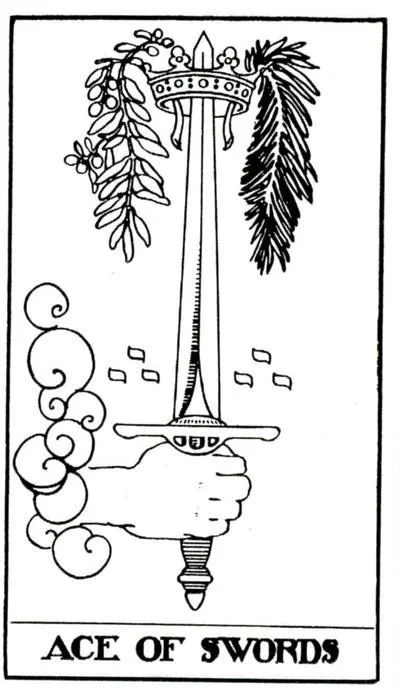
Ace of Swords – clarity and intellectual breakthrough
Three of Swords – sorrow or emotional pain created through perception
Five of Swords – conflict, struggle, or imbalance
Eight of Swords – restriction caused by limiting beliefs
Ten of Swords – collapse of a mental structure
In Crowley’s framework, Swords symbolise the power of the mind to both illuminate truth and create suffering through rigid thinking.
The Suit of Swords from a Jungian Perspective
n this framework, Swords represent the thinking function of consciousness.
Jung described four primary psychological functions:
thinking
feeling
sensation
intuition
The suit of Swords corresponds closely to the thinking function, which organises experience through logic, analysis, and interpretation.
However, Jungian psychology also recognises that excessive reliance on thinking can lead to disconnection from emotion and instinct.
From this perspective, the suit of Swords reflects how the psyche grapples with truth, perception, judgement, and internal conflict.
Historical Playing Card Origins of The Suit of Swords

Tarot emerged in 15th-century Italy as a card game, not an occult system. The four suits reflected everyday medieval objects.
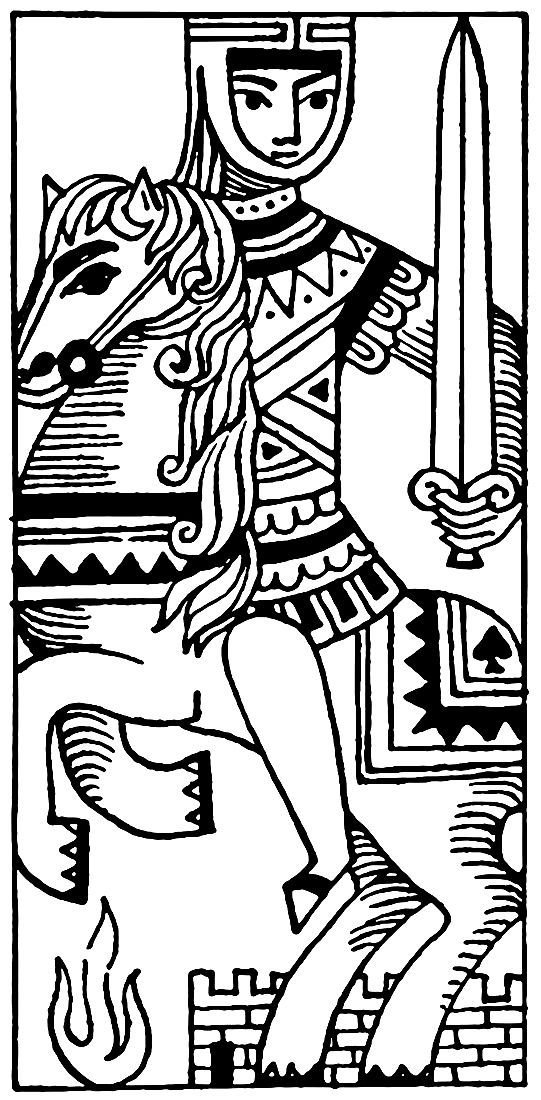
The suit of Swords likely derived from earlier European playing cards, which included swords as symbols of authority, power, warfare, and conflict. In medieval society, the sword represented judgement, defence, and the authority of rulers or warriors.
When occult writers later reinterpreted the Tarot through elemental symbolism, they connected the sword with the element of air, associating it with intellect and rationality.
In modern terms, the suit often represents themes such as:
communication and conversation
decision-making
intellectual conflict
difficult truths
mental stress or clarity
When Swords appear strongly in a Tarot reading, it often suggests that thought, communication, or perception is shaping the situation.