
How to Interpret Pages in Tarot
Symbolism, Psychological Meaning, and Different Interpretive Approaches
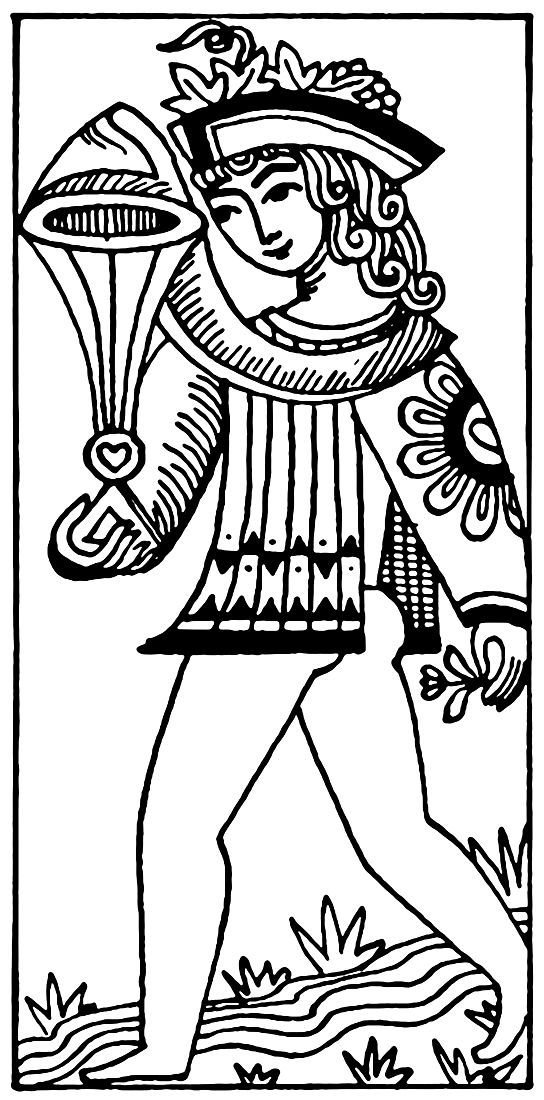
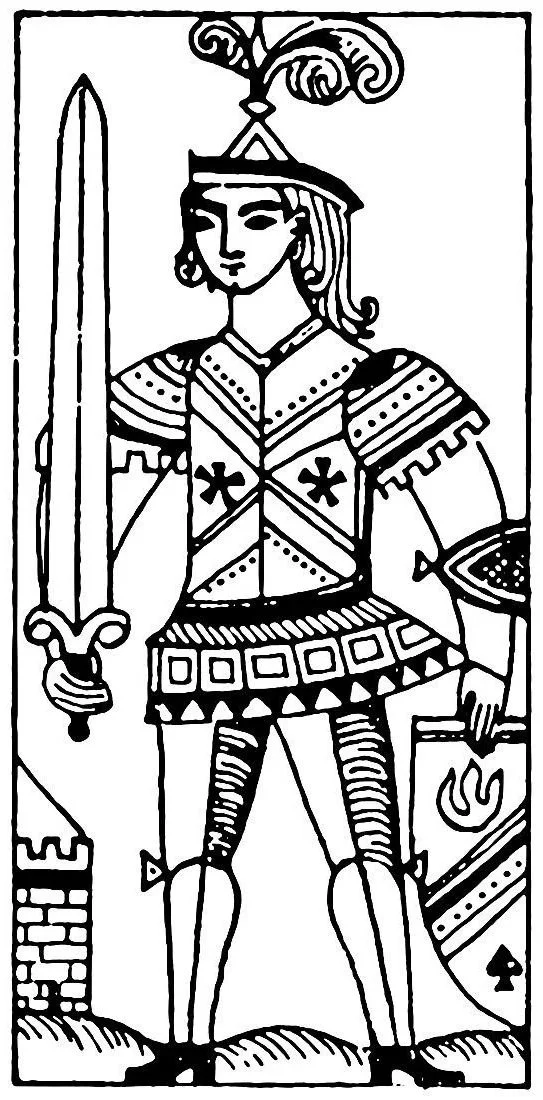
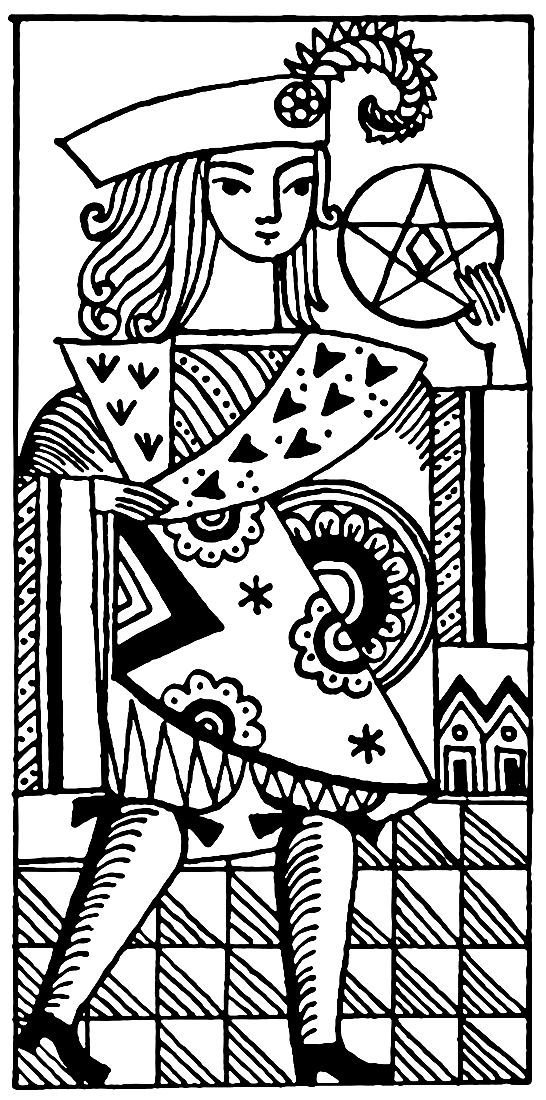
In Tarot, the Pages are part of the court cards, which traditionally represent human qualities, developmental stages, or ways of engaging with the world. Each suit contains a Page: Page of Wands, Page of Cups, Page of Swords, and Page of Pentacles.
Across many Tarot traditions, Pages are understood as the beginning stage of energy within a suit. They represent curiosity, learning, discovery, and the early movement of an idea or experience.
However, different traditions interpret the Pages in slightly different ways. Some see them as young people, others as states of mind, and others as stages in psychological development.
Because Tarot has evolved through many schools of thought, it is helpful to understand Pages through several complementary perspectives.
The Core Symbolism of Pages
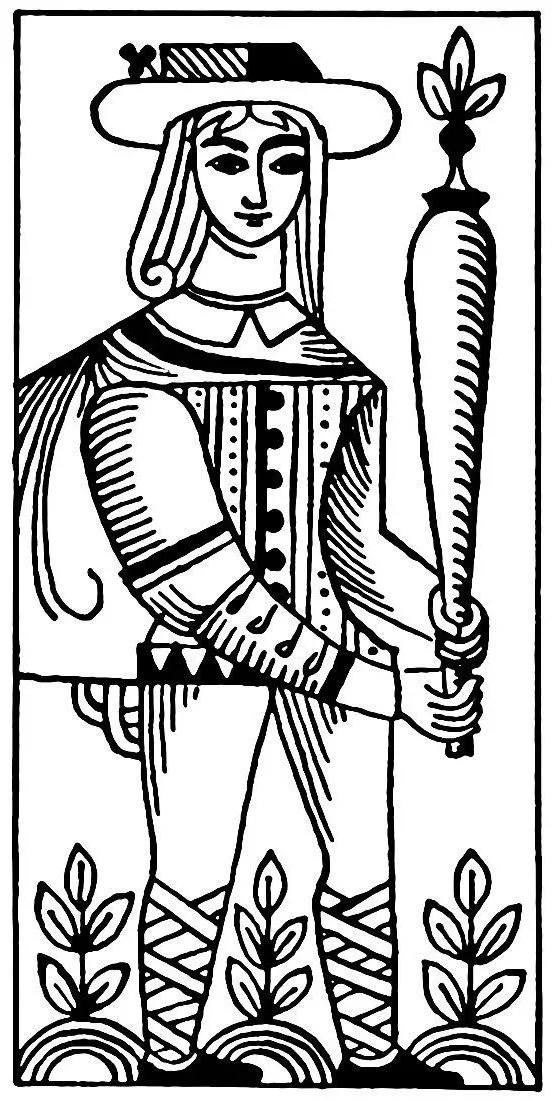
At the most basic level, Pages represent:
beginnings or early stages
curiosity and exploration
learning and study
messages or information
youthful or developing energy
If the court cards are seen as a spectrum of development, Pages represent the initial stage before experience and mastery develop.
In contrast:
Knights represent movement and pursuit
Queens represent internal mastery
Kings represent external authority and control
Pages therefore describe the moment when something first appears and begins to grow.
The Golden Dawn Perspective
The Hermetic Order of the Golden Dawn strongly influenced how modern Tarot readers understand court cards.
In the Golden Dawn system, Pages are sometimes called Princesses in later decks such as the Thoth Tarot.
They represent the earth aspect of each element, meaning they symbolise the physical manifestation or beginning expression of an element.
For example:
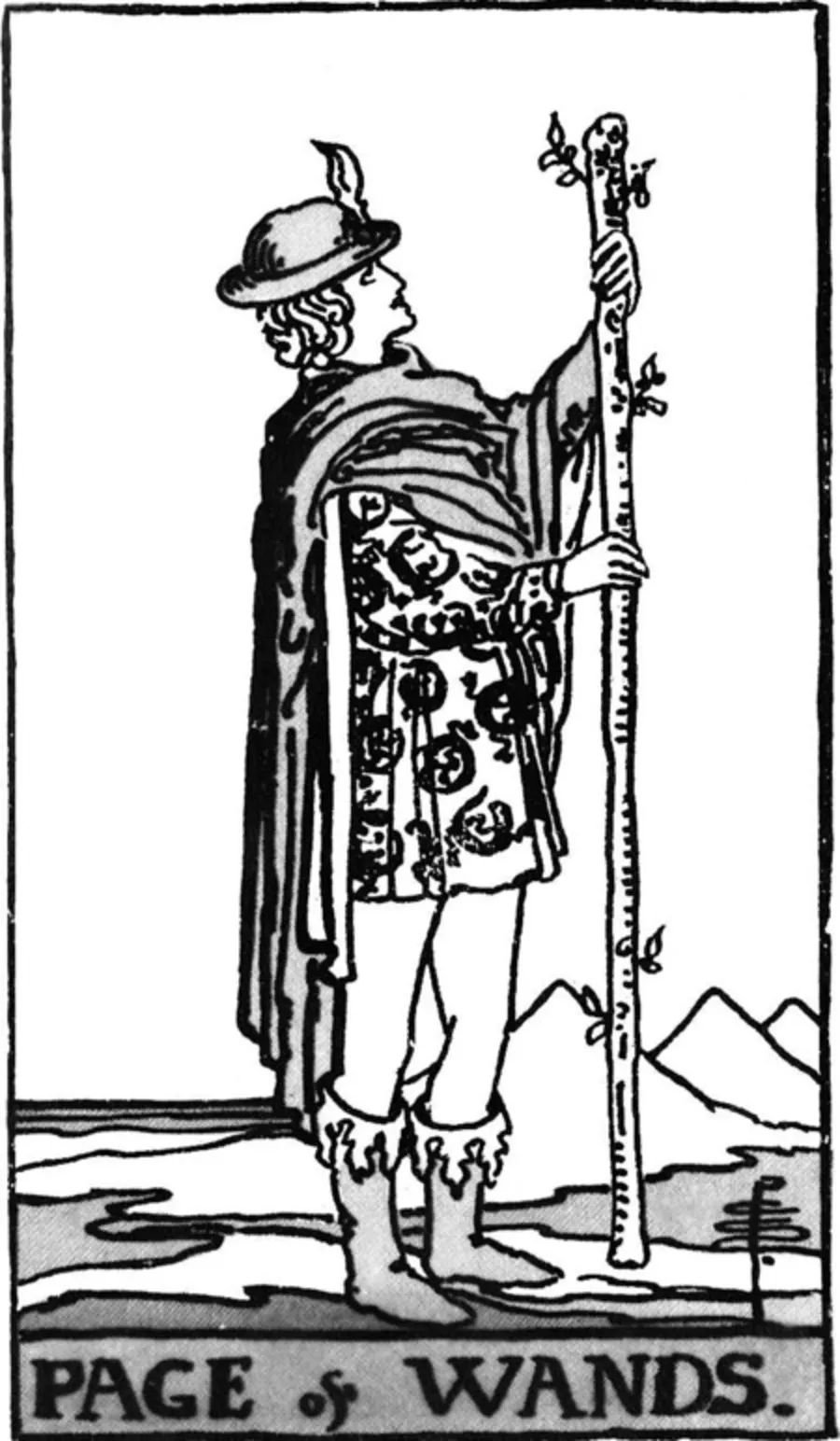
Page of Wands – earth of fire – the first spark of creative enthusiasm
Page of Cups – earth of water – the first emergence of emotional awareness
Page of Swords – earth of air – the first curiosity about ideas and information
Page of Pentacles – earth of earth – the first effort to build something practical
This might sound abstract, but the idea is simple: Pages represent the first tangible expression of an elemental energy. From this perspective, Pages represent potential that is just beginning to take form.
Aleister Crowley and the Thoth Tarot
In the Thoth Tarot, Aleister Crowley replaced Pages with Princesses, but their function is essentially the same.
Crowley viewed these figures as the carriers of new energy entering the world.
The Princess represents the moment when an element becomes fertile and capable of generating something new. In Crowley’s system, these figures symbolise the fertile ground where something begins before it fully develops.
Crowley associated them with ideas such as:
the birth of new possibilities
the creative ground from which things grow
the material expression of energy
For example:
Princess of Cups represents emotional imagination and creativity.
Princess of Swords represents mental curiosity and intellectual experimentation.
A Jungian Perspective
From a Jungian perspective, Tarot figures can be interpreted as archetypal patterns within the psyche.
In this framework, Pages represent the psychological archetype of the learner or beginner.
They reflect qualities such as:
curiosity
openness
experimentation
vulnerability to experience
Psychologically, the Page can represent the part of a person that is encountering something new for the first time. For example:
Page of Cups may represent the emergence of emotional sensitivity or imagination.
Page of Swords may represent the awakening of intellectual curiosity or questioning.
Page of Pentacles may represent the beginning of learning a skill or building stability.
In Jungian terms, Pages often reflect early stages of psychological development in a particular domain.
They may also symbolise the inner student. The part of the psyche that is willing to explore and learn.
Pages as People
In Cartomancy and Tarot de Marseilles
In traditional Tarot reading, court cards sometimes represent actual individuals.
When interpreted this way, Pages are often associated with:
young people
students or learners
someone bringing news or information
someone curious or inexperienced
However, modern readers often approach this cautiously because court cards do not always refer to literal people. Instead, the Page might represent a quality that someone embodies rather than their age.
For example:
A Page of Swords might describe someone who is observant, curious, analytical, and eager to learn.
A Page of Cups might describe someone imaginative, sensitive, or emotionally expressive.
Pages as Messages or Opportunities
Another traditional interpretation is that Pages represent messages or new developments.
Because Pages symbolise beginnings, they often appear in readings when:
new ideas are emerging
new opportunities are appearing
someone is learning something important
a new phase is beginning
In this sense, the Page represents an invitation to explore or develop something further.
Pages as Stages of Development
Some readers interpret the court cards as a developmental sequence.
In this model:
Page – learning and curiosity
Knight – action and experimentation
Queen – internal mastery
King – external mastery
Pages therefore represent the first step in a process of growth.
They are often associated with:
practice
study
discovery
trial and error
From this perspective, Pages are not immature in a negative sense. Instead, they symbolise the openness that allows growth to happen..
A Practical Way to Interpret Pages
A simple approach when interpreting Pages is to ask:
What is beginning here?
What is still developing?
Where is curiosity or learning required?
Pages often suggest that something is not yet fully formed, but it has potential.
They invite attention, exploration, and patience.
In Simple Terms:
Pages represent the early stage of energy in a particular area of life.
Each Page expresses the qualities of its suit:
Page of Wands – curiosity about action, creativity, and new ventures
Page of Cups – emotional openness, imagination, and sensitivity
Page of Swords – questioning, observation, and intellectual curiosity
Page of Pentacles – learning skills, building stability, and practical growth
.
The Key Point
Across occult traditions, psychological interpretations, and modern Tarot practice, Pages consistently symbolise the beginning of a journey rather than its completion.
They represent the moment when something new appears and asks to be explored