
How Does it Work ?
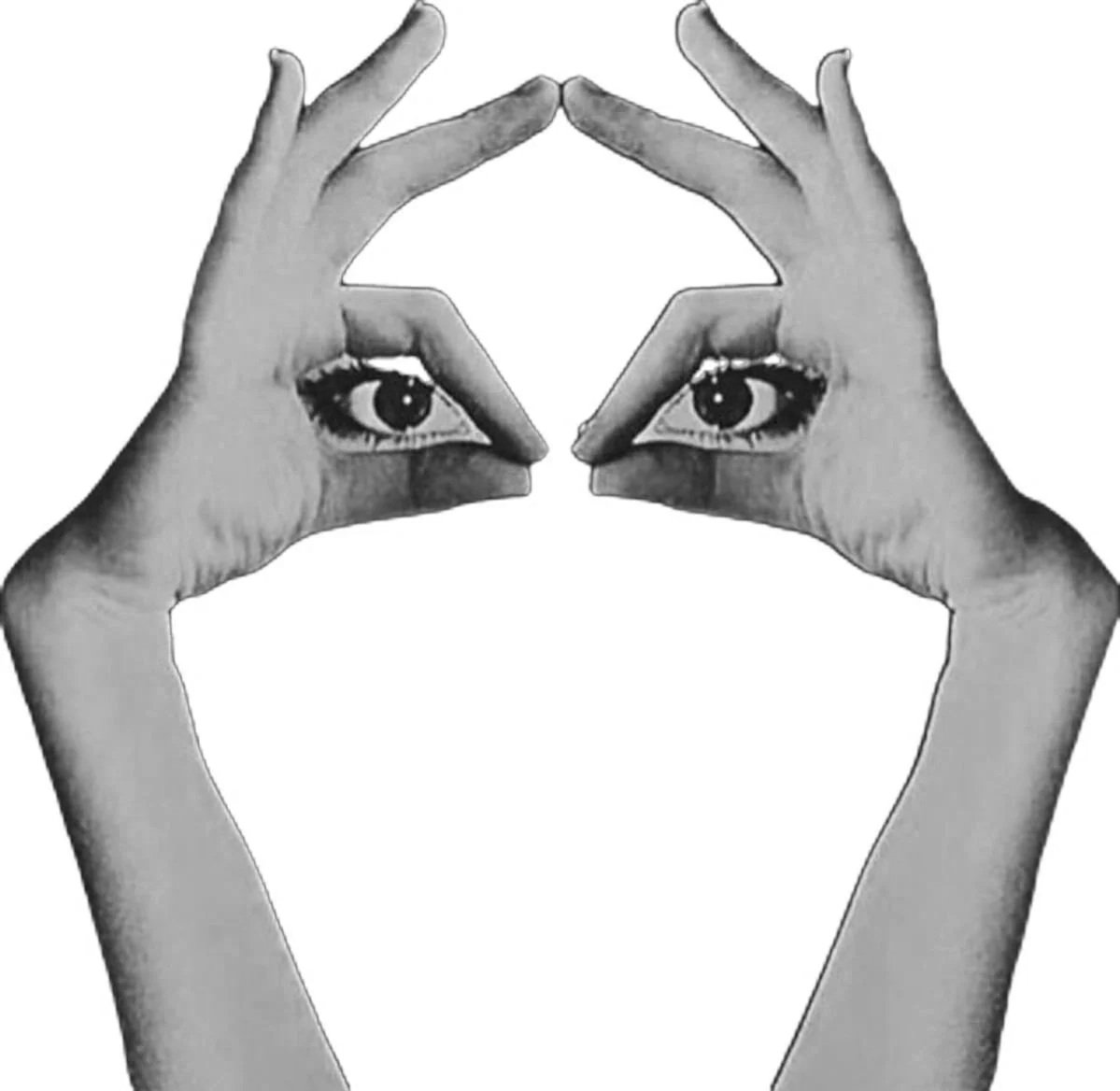
Nobody Truly Knows
People have spent centuries poking, prodding, and debating Tarot through every possible lens: scientific, spiritual, and everything in between. Yet, somehow, it remains as much of an enigma as ever.
You can look at it through a purely logical lens: our brains are simply wired for pattern recognition, using the cards as a framework to map out our thoughts. Psychologically, it is a brilliant tool for self-reflection, tapping into those universal archetypes and "Hero's Journey" themes that show up in every great story ever told.
Even Quantum Physics gets a look-in. There is a nod to the idea that reality is shaped by the observer. like Schrödinger's cat, the "truth" of a reading exists in a state of potential until we actually engage with it.
Then, of course, there is the mystical side. For many, Tarot is a bridge to the subconscious or something "other". A way to bypass the rational mind and tap into a deeper current.
The Universal Energy Behind Tarot
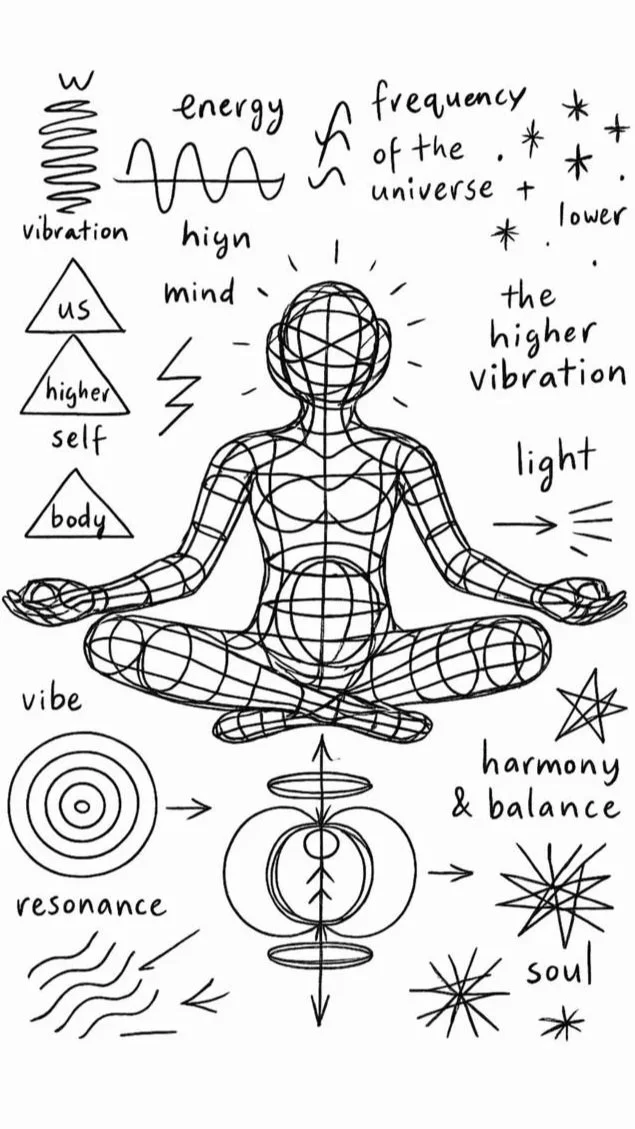
Across almost every mystical and philosophical tradition, there is a shared belief in a "vital force". A sort of energetic Wi-Fi that connects every living thing. It has been called many things depending on where you are in the world: the Akashic Records or Qi in the East, or Aether (the "fifth element") in Western occultism and alchemy. In Kabbalah, it is Ein Sof, the limitless source of everything that is.
But honestly? Regardless of the name, the core idea is identical: there is an invisible, powerful field flowing through and around us.
Many see this "Ether" as a realm where you could bypass the limits of the rational mind to tap into a much broader reservoir of knowledge.
In this context, the Tarot deck is simply the medium. Think of it as a tool that helps both the reader and the seeker "plug in" to this informational field.
Tarot as a Bridge

Between the Conscious and Unconscious
Think of Tarot as a bit like a bridge between your logical, everyday brain and the deeper, quieter parts of your unconscious. While we usually communicate with words and logic, our unconscious prefers the language of symbols, archetypes, and patterns. Tarot essentially acts as a translator, helping us tap into that 'hidden' language to see what is actually going on beneath the surface.
It works a lot like a Rorschach inkblot test. When you look at the cards, you are not just seeing ink on card. You are engaging with universal themes that mirror your own emotions and life experiences. By 'reading' these symbols, we start to decode our own patterns—bringing a bit of much-needed clarity to the fears, desires, or old habits we might not even realise are steering the ship.
Crucially, Tarot is not about 'predicting the future' in a crystal-ball sense. It is more about understanding how we are perceiving our past and present, and what that means for the path ahead. It is a tool for spotting the things we have tucked away or ignored, helping us face those inner tugs-of-war with a bit more grace.
By opening up this dialogue between your conscious mind and the 'collective unconscious,' Tarot does not just give you answers. It gives you a much deeper connection to your own inner world.
Synchronicity
Meaningful Connections Beyond Chance
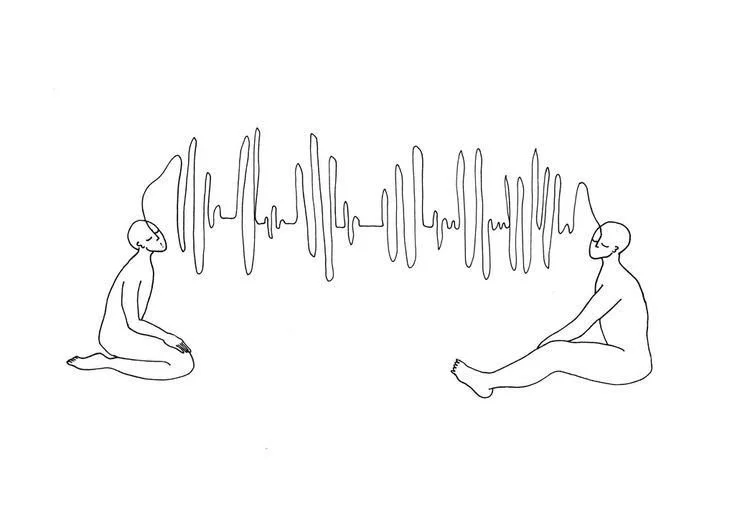
One theory for why tarot works is synchronicity, a concept introduced by Carl Jung. While we usually explain events through cause and effect, synchronicity suggests that some events are meaningfully connected without a direct causal link. When two or more events align in an unexpected yet deeply personal way, they aren't just coincidences. They reveal an underlying order in reality.
Jung used synchronicity to explain the accuracy of divination systems like the I Ching, which, like tarot, relies on random selection to uncover meaningful patterns. He believed that external events could align with an individual's inner state, creating insightful and transformative moments.
Thus, the cards you draw may seem random, yet they often reflect your current emotions, subconscious thoughts, or life circumstances. This is why tarot can feel so deeply personal. It is not about predicting the future, but about revealing connections and insights that were already present, just beneath the surface.
Your Mind Shapes Your Future
The Power of the Self-Fulfilling Prophecy
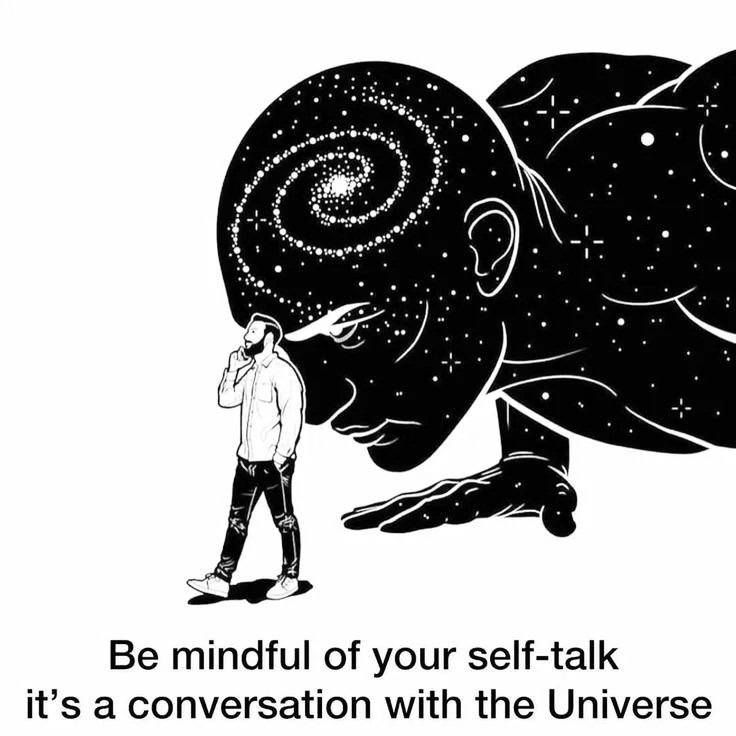
Unlike the myth of the divination-fulfilling prophecy, where tarot is believed to force an outcome into reality, the self-fulfilling prophecy is a psychological phenomenon. What we believe, we unconsciously shape into existence. The prediction itself holds no power; rather, our mindset, fears, and expectations influence our actions, leading us toward the outcome we anticipate.
This distinction is crucial. Tarot does not take away agency. It empowers the Seeker with choice. A reading is not a decree. It is an invitation to become aware of subconscious patterns, helping the Seeker navigate life more intentionally. The way we perceive our future affects how we approach it. If we expect failure, we may unknowingly act in ways that lead to it; if we see potential, we may take the steps to make it a reality.
Tarot, when used wisely, is not about passively accepting fate. It is about actively shaping it. By shining a light on what lies beneath the surface, tarot helps us recognise self-imposed limitations and shift our perspective, allowing the subconscious mind to become an ally rather than a force working against us. The real power is not in the cards, but in how we choose to respond to the insights they reveal.
The Forer Effect
Why Tarot Feels Personal?
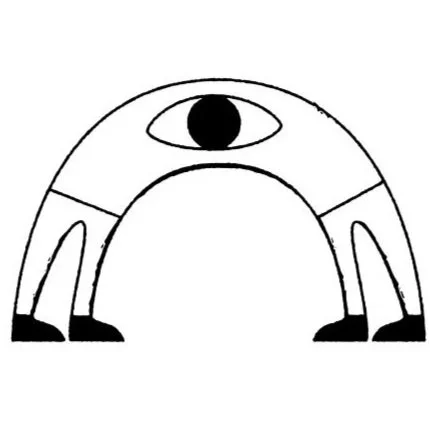
The Forer Effect, also known as the Barnum Effect, explains why people perceive generalised statements as highly personal and accurate. Psychologist Bertram R. Forer found that when individuals are given vague yet relatable descriptions, they tend to believe the information is uniquely tailored to them. This is linked to subjective validation, where we accept statements as true simply because they feel personally relevant.
Sceptics argue that this cognitive bias contributes to belief in divination practices like tarot. However, rather than dismissing tarot, the Forer Effect highlights why it resonates. Tarot readings often reflect universal themes of human experience, which is why they feel deeply personal. The true value of tarot lies not in its specificity, but in its ability to prompt self-reflection, inspire action, and bring awareness to hidden aspects of our thoughts and emotions.
Apophenia & Patternicity
Connections Where None Objectively Exist
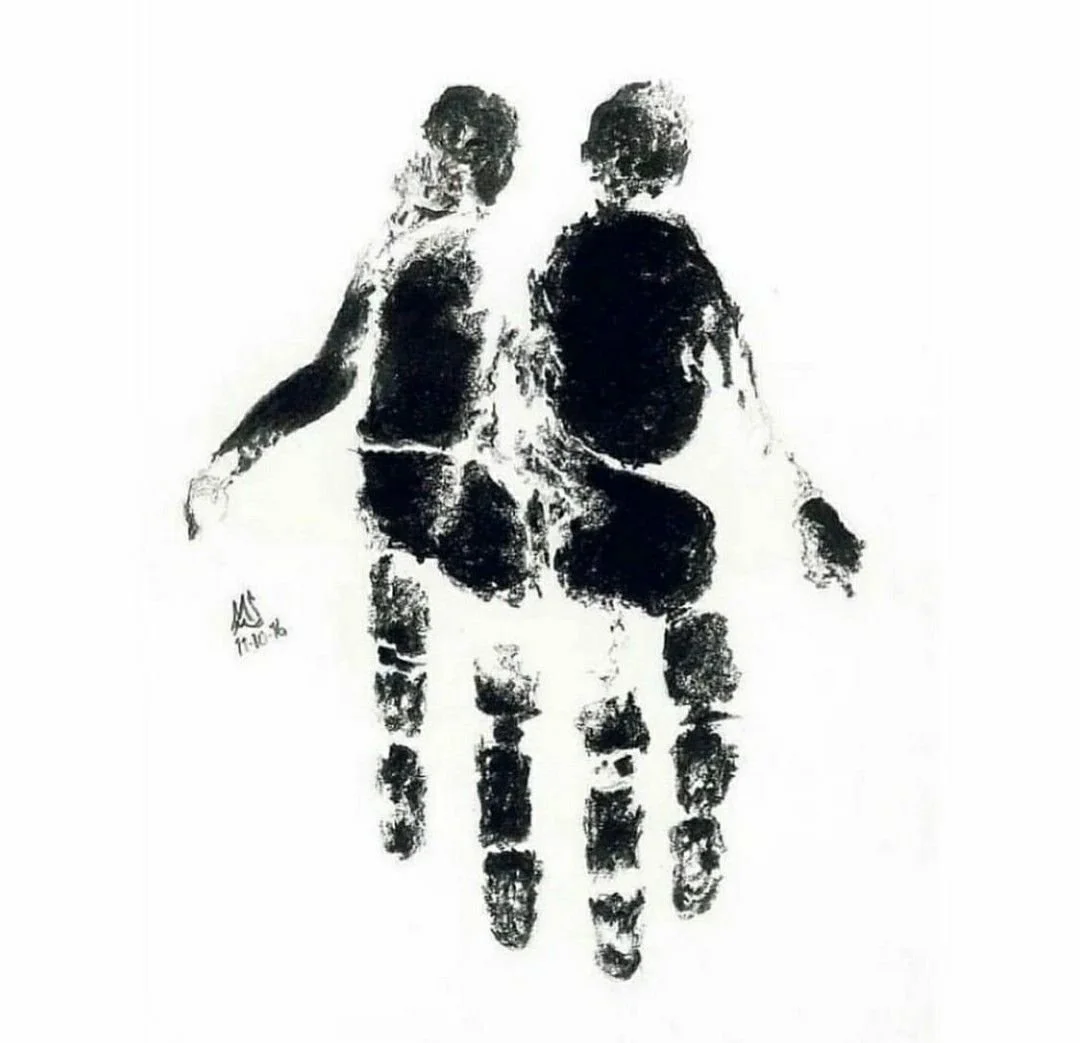
Sceptics argue that tarot's insights stem from apophenia. The mind's tendency to see patterns and meaning in random events. Neurologist Klaus Conrad coined the term to explain why we find connections where none objectively exist. Similarly, Michael Shermer's concept of patternicity suggests that humans instinctively assign personal significance to unrelated events, including tarot readings.
However, this does not discredit tarot—it actually explains why it works. Like the Rorschach inkblot test, tarot allows individuals to project personal meaning onto symbols, uncovering hidden thoughts and emotions. Even if the meaning is self-created, this process can lead to powerful realisations and personal growth, much like guided introspection or life coaching.
Rather than relying on external forces, tarot serves as a catalyst for self-reflection. The imagery prompts seekers to explore their own subconscious, leading to insights they might not have accessed otherwise. Whether through psychology or intuition, tarot provides a space for clarity, empowerment, and transformation.